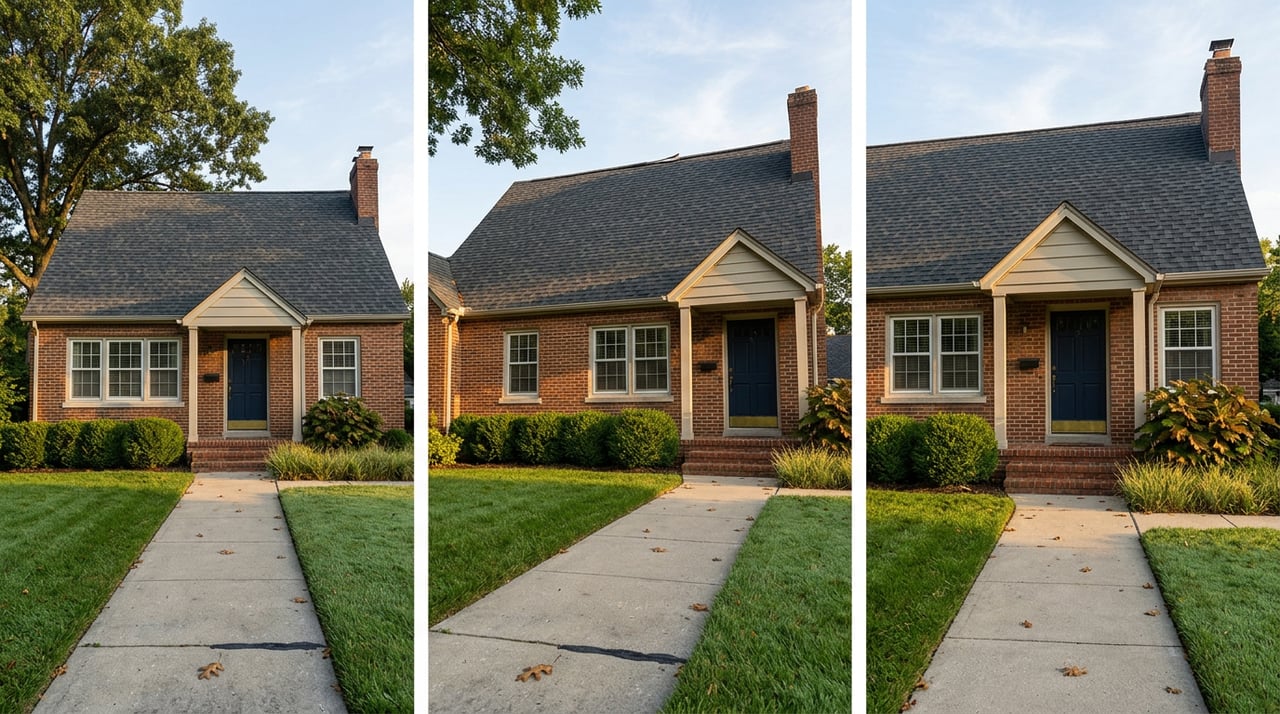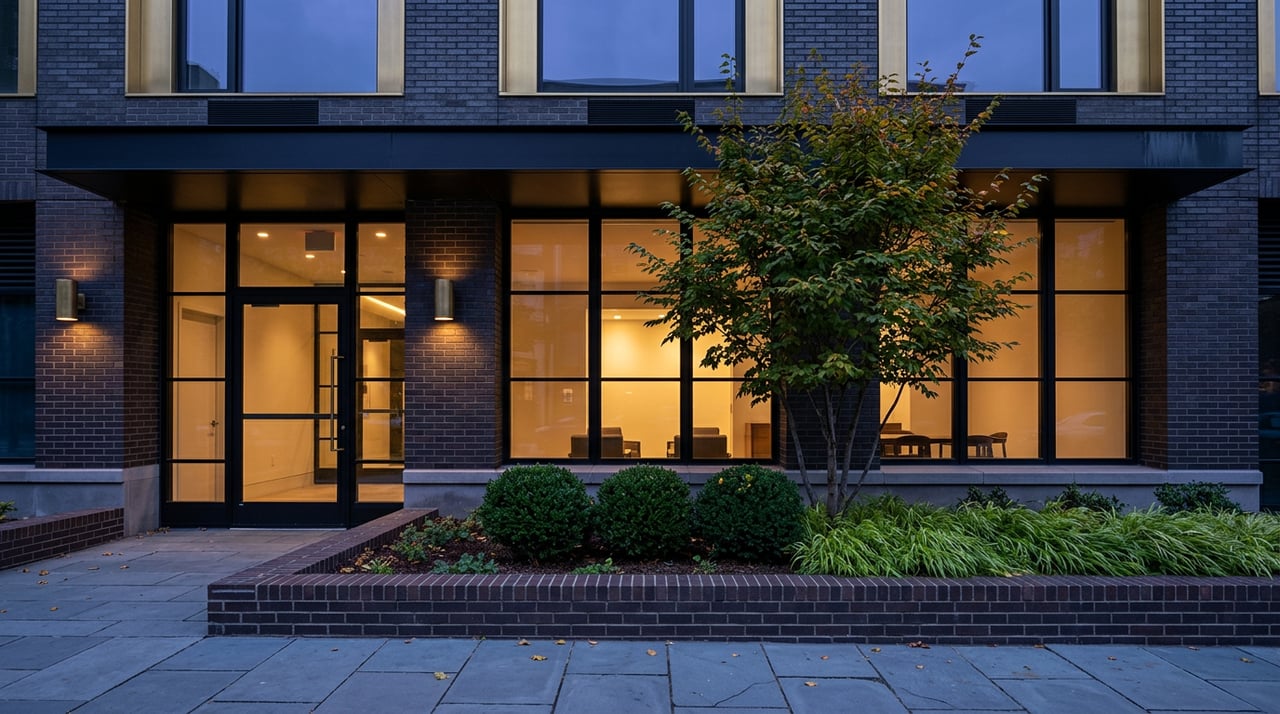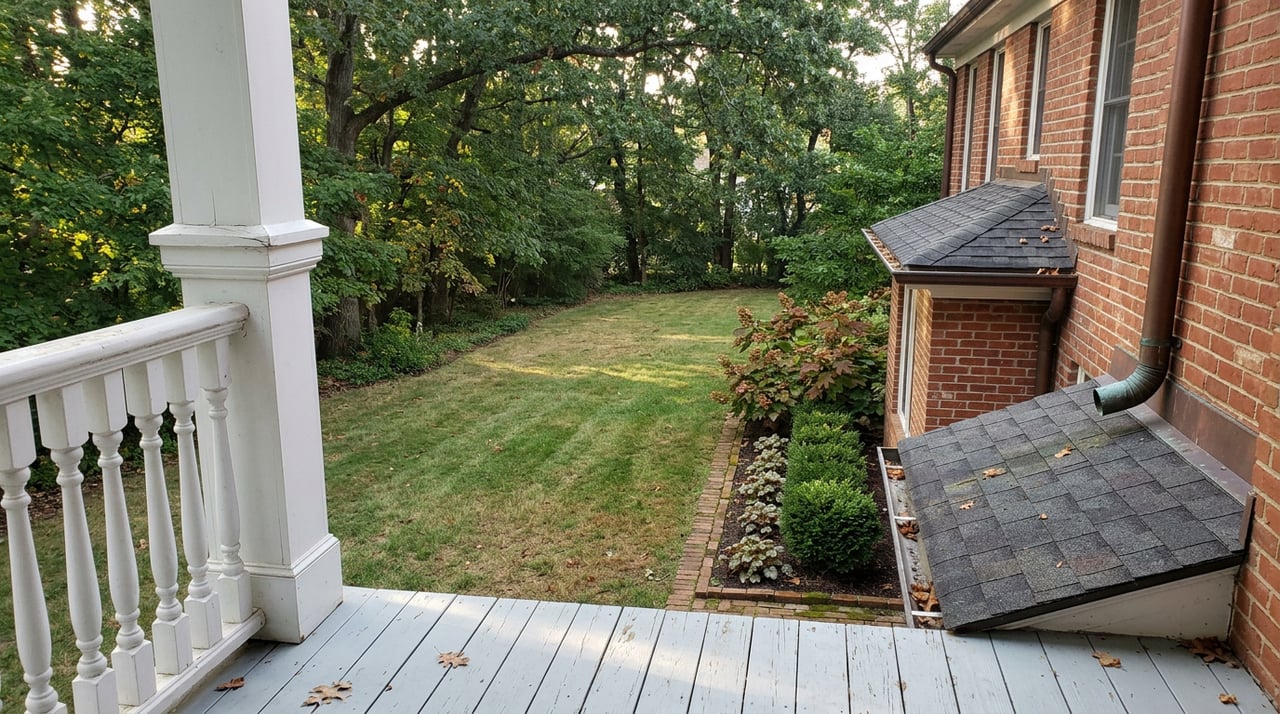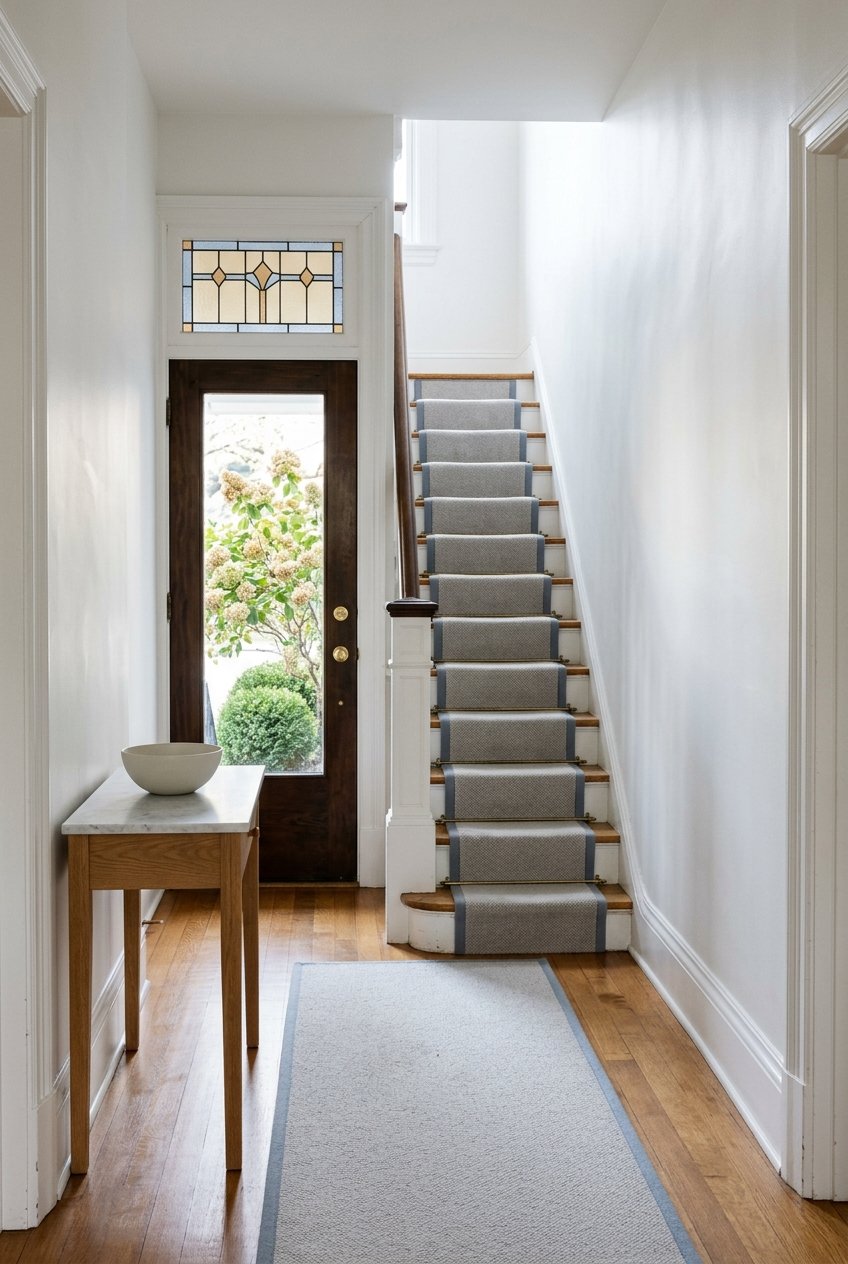
Selling a historic home in Shaw can feel like walking a tightrope. You want to protect what makes your home special, avoid costly mistakes, and still position it well for today’s buyers. The good news is that you do not need a major overhaul to have a smooth sale. With the right prep, clear documentation, and a strategy built around Shaw’s historic character, you can reduce stress and move forward with confidence. Let’s dive in.
Why Shaw’s Historic Character Matters
Shaw is one of St. Louis’s most distinctive historic neighborhoods, with development that took shape mainly from 1890 to 1915. The area includes a mix of single-family homes and larger multi-unit buildings in a range of architectural styles, and that historic setting is a meaningful part of how buyers see value.
When you sell in Shaw, you are not just listing square footage and finishes. You are also presenting a home within a recognized historic district near the Missouri Botanical Garden, Tower Grove Park, and South Grand. That context can be a real advantage when your home’s original character is easy to see and well cared for.
The city’s district standards focus on the neighborhood’s overall appearance, including scale, materials, siting, and landscaping. In practical terms, that means thoughtful compatibility often matters more than generic modern updates.
Start With a Smart Pre-Listing Plan
One of the biggest sources of stress for Shaw sellers is uncertainty about what can be changed before going on the market. A clear plan can help you avoid last-minute surprises, permit delays, or work that does not support your sale.
In St. Louis City historic districts, exterior work is reviewed by the Cultural Resources Office, and no permit may be issued without that review or Preservation Board approval when required. Applications in historic-district areas are automatically referred from the Building Division, so it is important to assume exterior changes will get a closer look.
That does not mean every repair becomes a major project. Shaw’s standards state that ordinary maintenance or repair that does not change design, material, or outward appearance is not meant to be blocked. If your goal is a lower-stress sale, that is a helpful place to begin.
Know Which Exterior Work Triggers Review
Before you replace, remove, or alter anything outside, pause and confirm whether review is required. The Cultural Resources Office says properties in a City Historic District need a permit for all exterior work except painting wood trim.
The city specifically lists items such as window and door replacement, masonry painting, gutters and downspouts, trim repair, repointing, exterior lighting, awnings, and sidewalks or drives as review items. If one of these projects is already on your to-do list, build extra time into your schedule.
For many sellers, stress comes from rushing into work that later needs revision. A quick check on the front end is usually much easier than redoing a visible exterior improvement after the fact.
Focus on Maintenance, Not Over-Renovation
If you are getting ready to sell, it can be tempting to renovate broadly in hopes of boosting price. In Shaw, a better approach is often to complete the right maintenance, preserve character-defining details, and avoid changes that fight the historic setting.
The district standards favor visible exterior materials that match the original character of the block. Wood, brick, and stone are the predominant materials, while aluminum or steel siding, artificial masonry such as Permastone or z-brick, and non-original stucco are not allowed on visible front or street-facing elevations.
Character-defining features should be preserved whenever possible. The standards specifically call out elements like columns, dormers, porches, and bay windows, and they note that doors, dormers, windows, and openings should maintain the same proportions and style as the originals.
For sellers, that means the goal is usually not to make a historic home look brand new. The goal is to make it look well maintained, architecturally coherent, and true to its setting.
Choose Updates That Fit the House
Some pre-listing improvements can absolutely help, especially when they solve visible wear without changing the home’s outward appearance. Painting wood trim is one of the easiest cosmetic refreshes because the Cultural Resources Office explicitly exempts it from permit review.
If windows or doors need attention, be careful about materials and design. Shaw’s standards limit replacement frames to wood or color-finished aluminum, and they do not permit glass blocks, raw or unfinished aluminum storm doors or windows, or protective bars over doors or windows.
Roof work should also remain visually compatible with the block. The standards generally prefer roof shapes that match the dominant roof form on the street, and visible roof materials should typically be slate, tile, copper, or asphalt shingles rather than bright-colored shingles.
Use the City’s Review Resources Early
You do not have to guess your way through pre-listing decisions. For larger projects, the Cultural Resources Office offers a no-fee preliminary review and a Hotspot desk that can provide guidance on items like window and door replacement, repointing, fences, and roofing.
This can be especially helpful if you are deciding whether a repair is worth doing before listing. Getting direction early may help you avoid spending money on work that slows your timeline or creates a compliance issue.
The city says most permits are approved within about five working days, while larger projects may go to the Preservation Board. That timeline is manageable when you plan ahead, but it can feel stressful if you wait until right before photos or showings.
Time the Housing Conservation Inspection Carefully
Historic-district review is only one part of the prep process. St. Louis also has a citywide Housing Conservation inspection system, and for residential sales a Certificate of Inspection must be obtained before occupancy.
If your occupied structure is being sold and no certificate has been issued within the last 12 months, a new one is required. The city notes that this inspection is a basic code review rather than a warranty, which is why many buyers still choose a more detailed property inspection.
Timing matters here. The certificate is valid for 12 months, and the earliest inspection can be scheduled is three business days after application, while the latest is 15 days after application. A low-stress sale plan should include this step early enough to keep your closing timeline on track.
Stage the Architecture, Not Just the Rooms
Historic homes in Shaw often sell best when the staging helps buyers notice what makes the property distinct. Instead of covering up original features, aim to make them easier to read.
That can mean keeping sightlines open to porches, bay windows, rooflines, doors, and windows. It can also mean choosing furniture and decor that work with the home’s proportions rather than overpowering them.
In a neighborhood where architectural compatibility matters, presentation should support the house itself. A clean, edited look often helps buyers connect with the home’s original design and imagine caring for it well.
Support Your List Price With Preparation
Recent market trackers place Shaw roughly in the high-$300,000s to mid-$400,000s, with reported figures including a median listing price of $392,500 and a median sale price of $425,757. Redfin also reports a median of 12 days on market over the recent period.
That combination suggests buyers are paying attention to presentation and condition. The reported sale-to-list ratios near 100% in recent Redfin and Realtor.com data also support a prepare-first approach.
In other words, you do not need random upgrades to chase the market. You need thoughtful preparation, realistic pricing, and a listing strategy that highlights both condition and historic value.
Build a Seller Packet Buyers Can Trust
One simple way to reduce friction is to organize your paperwork before your home hits the market. In a historic home, buyers often feel more confident when they can see that exterior work was handled carefully and through the proper process.
A strong seller packet can include:
- Permit approvals for exterior work
- Repair invoices
- Inspection reports
- Before-and-after photos of completed exterior projects
- Notes on maintenance that preserved original materials or appearance
This kind of documentation can help answer questions before they become objections. It also reinforces that your home has been maintained with care rather than altered casually.
A Lower-Stress Path to Selling in Shaw
Selling a historic home in Shaw does not have to mean guessing, over-improving, or worrying about every detail. In many cases, the smoothest path is also the simplest one: preserve the features that matter, handle maintenance thoughtfully, follow the city’s review process, and present the home in a way that honors its character.
That neighborhood-first approach is exactly what helps historic properties stand out in Shaw. If you want a clear plan for timing, pricing, presentation, and next steps, Bethany DeMaggio can help you build a strategy that fits your home and your goals.
FAQs
What makes selling a historic home in Shaw different from selling another St. Louis home?
- Shaw is a Certified Local Historic District, so exterior work may require review by the City of St. Louis Cultural Resources Office, and buyers often pay close attention to original character and compatible updates.
What exterior work in Shaw usually needs city review before listing?
- In a St. Louis City historic district, permits are generally required for exterior work except painting wood trim, and review items can include windows, doors, masonry painting, gutters, repointing, lighting, awnings, and sidewalks or drives.
What pre-listing updates are safest for a historic home in Shaw?
- Ordinary maintenance that does not change design, material, or outward appearance is usually the least stressful approach, and painting wood trim is specifically exempt from permit review.
What materials matter when updating a Shaw historic home exterior?
- Shaw’s standards favor visible exterior materials that fit the original character of the block, including wood, brick, and stone, while certain non-original materials are not allowed on visible front or street-facing elevations.
What inspection is required for a residential sale in St. Louis City?
- For residential sales, a Certificate of Inspection must be obtained before occupancy, and if no certificate has been issued within the last 12 months for an occupied structure being sold, a new one is required.
How fast do homes in Shaw usually sell?
- Recent market data cited in the research report shows a median of 12 days on market in Shaw, which suggests that strong preparation and presentation can make a meaningful difference.