Want to lower your housing cost while building equity in one of St. Louis’ most character-filled areas? Tower Grove stands out for buyers who want to live in a property and rent part of it out, especially if you are targeting a duplex, flat, or larger home with flexible space. If you are exploring your first live-in investment or your next small multifamily purchase, this guide will help you understand why this area works, what to verify, and where the real opportunities may be. Let’s dive in.
Why Tower Grove Fits House Hacking
When people say “Tower Grove,” they often mean the neighborhood cluster around Tower Grove Park, including Tower Grove South, Tower Grove East, Shaw, and Southwest Garden. For buyers, that distinction matters because the housing stock, pricing, and renovation rules can vary by neighborhood.
At the center of the area is Tower Grove Park, a major historic amenity with trails, playgrounds, sports fields, concerts, farmers' market programming, and year-round events. The park reports more than 200,000 annual attendees for cultural events, which helps explain the area’s strong identity and ongoing appeal for both owners and renters.
That mix of neighborhood character and daily convenience is a big reason live-in investors keep this area on their radar. If you want a property that can serve as both your home and an income-producing asset, Tower Grove offers a practical starting point.
Neighborhood Boundaries Matter
If you are comparing listings, it helps to know where the core Tower Grove neighborhoods begin and end. Tower Grove South is bounded by Arsenal, South Grand, Chippewa, and South Kingshighway, while Tower Grove East is bounded by Shenandoah, Nebraska, Gravois, and South Grand.
Those boundaries are more than map details. They help you compare rents, values, and renovation considerations with more accuracy, which is especially important when you are underwriting a house hack.
Housing Types to Watch
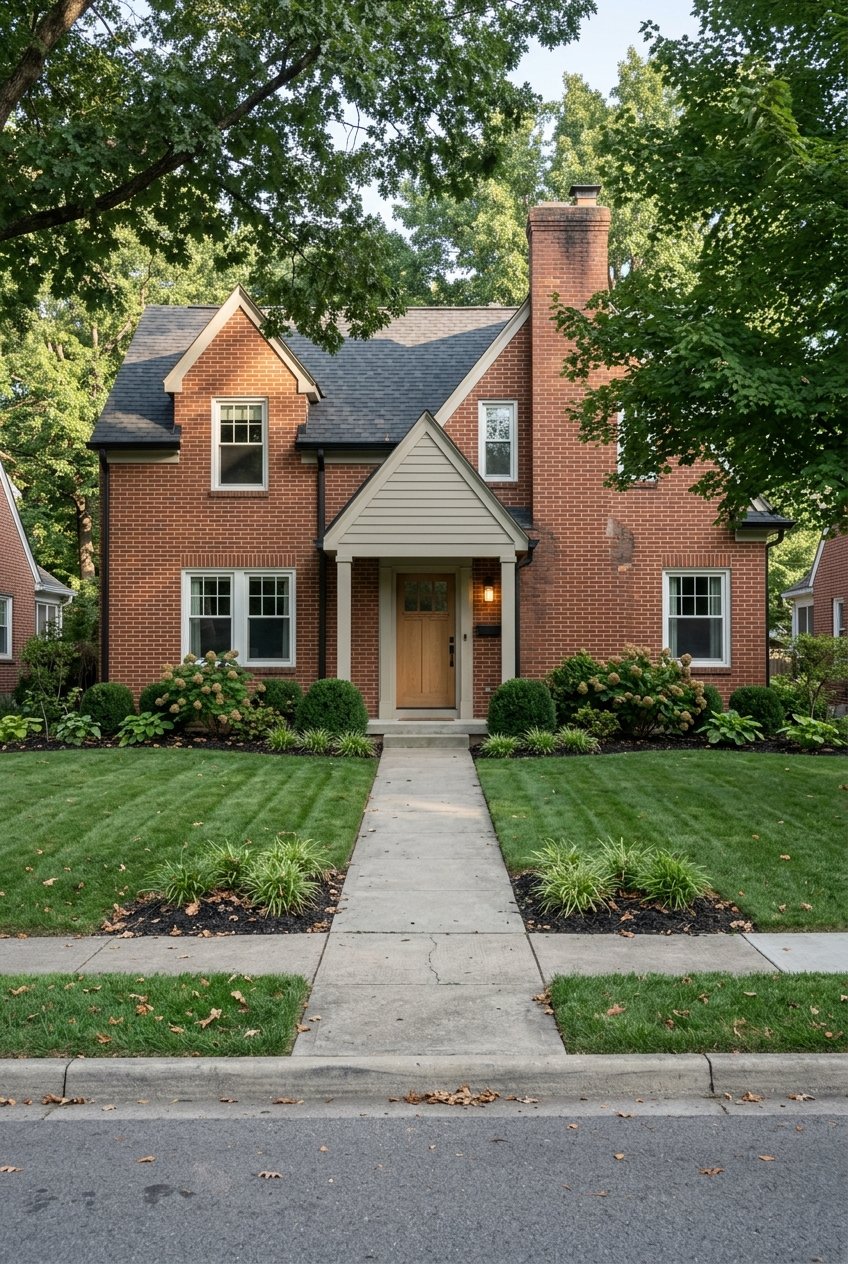
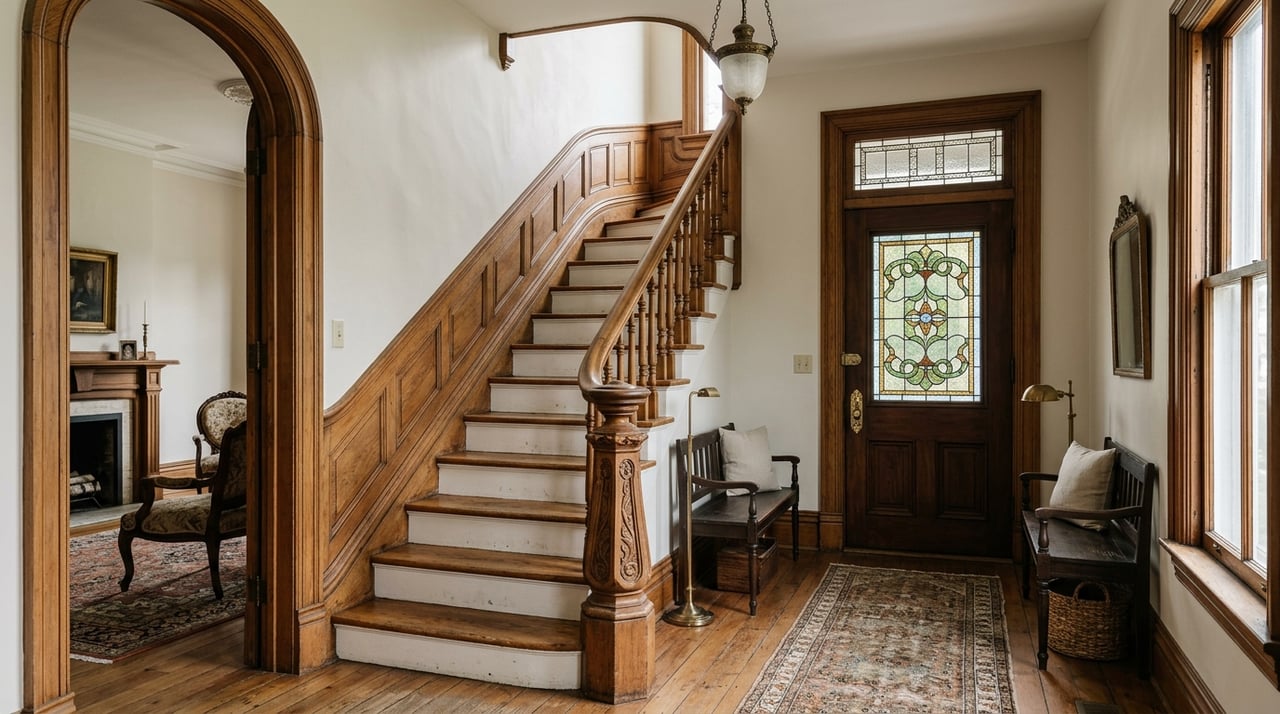
Tower Grove works for house hackers partly because the housing stock supports more than one strategy. In Tower Grove East, the city describes the area as having homes and flats, with many buildings around 2.5 stories and with older architectural details dating largely from the mid-1890s to the 1920s.
The area also includes housing types like shotgun houses and Arts & Crafts examples. In Tower Grove South, city materials show renovated multi-unit properties alongside homes near the park and business district areas.
For you as a buyer, that means the opportunity is not limited to one property type. Depending on your goals and budget, you may find:
- Legal duplexes
- Small multifamily properties
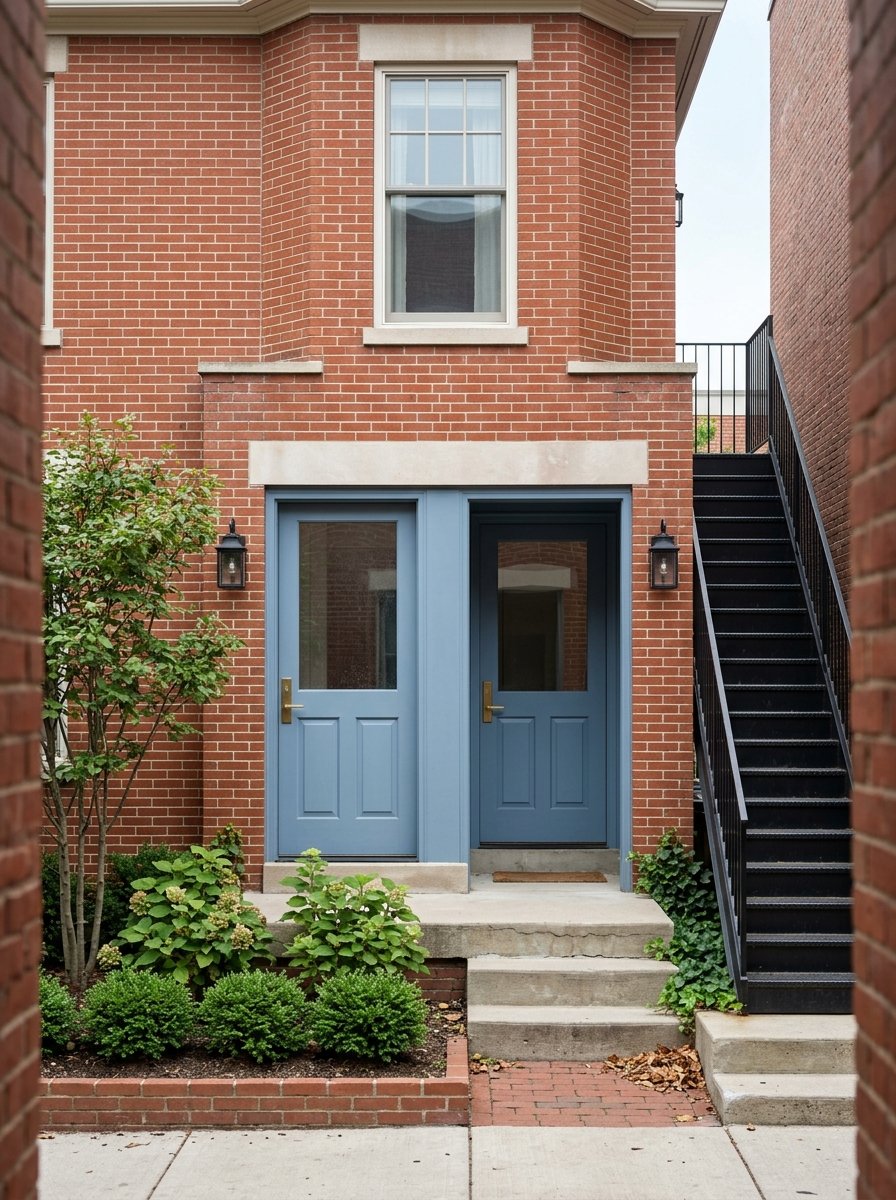
- Flats with separate living areas
- Larger homes with potentially rentable space
The key word is legal. Older homes can look flexible on paper, but your due diligence should confirm entrances, utility setup, occupancy status, and whether the current configuration aligns with city requirements.
Tower Grove Pricing and Rent Snapshot
A house hack only works if the numbers make sense, so local pricing and rent trends matter. Current Zillow home-value pages show Tower Grove South at about $243,070 and Tower Grove East at about $284,447, with Tower Grove East trading at a modest premium.
On the rental side, Realtor.com’s April 2026 neighborhood snapshots show median rents of about $1.3K per month in Tower Grove South and $1.6K per month in Tower Grove East. The same snapshots showed 33 active rentals in Tower Grove South and 24 in Tower Grove East.
Here is a quick side-by-side view:
| Neighborhood | Approx. Home Value | Approx. Median Rent |
|---|---|---|
| Tower Grove South | $243,070 | $1.3K/mo |
| Tower Grove East | $284,447 | $1.6K/mo |
This does not mean every listing will pencil out the same way. It does mean you can approach the area with real rent potential in mind, then refine your numbers using live comps, current listings, and property-specific expenses.
Small Multifamily Inventory Exists
One reason Tower Grove deserves attention from live-in investors is that small multifamily inventory is not just theoretical. Zillow currently has dedicated duplex and triplex search pages for both Tower Grove South and Tower Grove East, with live multi-family listings in each.
That matters because your strategy is easier to execute in a market where this product type already exists. Instead of trying to force a single-family home into an uncertain rental setup, you may be able to target a property that was already built for multi-unit use.
Financing Questions to Ask Early
Financing can make or break a house hack, so this is the part to sort out before you get too deep into a search. HUD says FHA loans are available on 1-to-4 unit properties, which is one reason owner-occupied duplexes and fourplexes remain a common first-time buyer path.
Fannie Mae’s current Desktop Underwriter job aid says lenders can enter rental income for a 2-to-4 unit principal residence. If no manual value is entered, DU uses 75% of gross rent, and the proposed monthly payment on a 2-to-4 unit primary residence is included in total expenses.
For eligible veterans, the VA Home Loan Guide says the benefit may be used on a multi-family property of up to four units when one unit is owner-occupied by the veteran. That can create another path for buyers who want to combine homeownership with rental income.
Before you make offers, ask your lender:
- How much projected rental income will you count?
- Do you need leases, or will an appraiser rent schedule work?
- Are the rules different for 2-unit versus 3-to-4-unit properties?
- Will you require extra reserves or documentation?
- If I plan to rent a bedroom or accessory space, how will that income be treated?
That last question is important. Fannie Mae distinguishes 2-to-4 unit principal-residence income from accessory-unit and boarder scenarios, so your exact plan can affect how the lender underwrites the deal.
Local Inspection Rules Matter
In the City of St. Louis, compliance matters just as much as purchase price. The city says 100% of property in the city is in a Housing Conservation District, and rental units need a Certificate of Inspection before occupancy.
The city also says reinspection is required every three years or upon a change in occupancy, while owner-occupied properties are exempt from reinspection. For a live-in investor, that means you should pay close attention to timing, existing inspection status, and any repairs needed before a tenant can move in.
A property may look rentable at first glance and still need code corrections or occupancy paperwork. That is why house-hack buyers in Tower Grove should underwrite both renovation costs and compliance steps from day one.
Historic District Checks in Tower Grove East
If you are looking in Tower Grove East, historic district status can affect your renovation plans. The city says the Tower Grove East Local Historic District standards regulate new construction and additions only.
That can be especially relevant if you are thinking about a dormer, rear addition, or another exterior change that alters the layout. Before you assume a value-add plan will work, verify whether the parcel is in the local historic district and how that could affect your timeline and budget.
What to Verify Before You Buy
A smart Tower Grove house hack starts with clear property-level questions. Even in a neighborhood with good fundamentals, one building can perform very differently from the next.
As you evaluate listings, make sure you verify:
- Whether the unit layout is a legal rental configuration
- Whether there are separate entrances where needed
- Whether utility separation affects your operating plan
- Whether the property has outstanding occupancy or inspection issues
- Whether the parcel sits in the Tower Grove East historic district
- Whether projected rent is supported by current local comps
This is where hyperlocal guidance helps. Block-by-block differences, existing unit setup, and city compliance details all shape whether a property is a smooth live-in investment or a more complicated project.
Is Tower Grove a Good Fit for You?
If you want walkability, older housing stock, and real small multifamily potential, Tower Grove deserves a close look. The area combines strong neighborhood identity, a major park-centered amenity base, and housing types that can support a live-in investment strategy.
It is also a market where details matter. The best opportunities usually come from understanding the exact neighborhood, underwriting the rent conservatively, and verifying compliance before you close.
With the right property and the right plan, Tower Grove can offer more than a place to live. It can give you a path to offset your housing costs while building long-term equity in one of St. Louis’ most recognizable urban neighborhoods.
If you want help comparing Tower Grove duplexes, evaluating a live-in investment strategy, or narrowing down which blocks and property types fit your goals, Bethany DeMaggio can help you make a smart, neighborhood-focused plan.
FAQs
Is Tower Grove in St. Louis good for house hacking?
- Yes. The area around Tower Grove Park combines older small-multifamily housing, strong neighborhood identity, and active rental demand, which can make it a practical fit for live-in investors.
What neighborhoods are included when people say Tower Grove?
- In this context, Tower Grove refers to the St. Louis neighborhood cluster around Tower Grove Park, including Tower Grove South, Tower Grove East, Shaw, and Southwest Garden.
Can rental income from a Tower Grove duplex help you qualify for a mortgage?
- Often yes. Fannie Mae allows rental-income treatment on 2-to-4 unit principal residences, but the exact amount counted depends on the loan program and the lender’s underwriting process.
What should you verify before buying a Tower Grove house hack?
- You should verify whether the property is a legal rental configuration, whether any occupancy inspection issues remain, whether utility and entrance setups support your plan, and whether the property is in the Tower Grove East historic district.
Do rental units in the City of St. Louis need an inspection before occupancy?
- Yes. The City of St. Louis requires rental units to have a Certificate of Inspection before occupancy, with reinspection required every three years or when occupancy changes.
Does historic district status affect Tower Grove East renovation plans?
- It can. In the Tower Grove East Local Historic District, city standards regulate new construction and additions, which can matter if you plan exterior changes such as a dormer or rear addition.