Trying to decide between a condo and a house in St. Louis City? You are not alone, and the answer is rarely as simple as price alone. In a city with 79 neighborhoods, walkable urban pockets, historic brick homes, and quieter residential blocks, the right fit depends on how you want to live day to day. This guide will help you compare condos and houses in St. Louis City so you can weigh lifestyle, costs, maintenance, and long-term flexibility with more confidence. Let’s dive in.
Why the choice looks different in St. Louis
St. Louis City is not a one-style housing market. According to the City of St. Louis, the city has 79 neighborhoods and 173,479 housing units, which creates a wide mix of living options across different parts of the city.
That variety matters when you are choosing between a condo and a house. Some areas are more walkable and mixed-use, while others offer more traditional single-family housing patterns. In St. Louis, the better question is often not just condo or house, but which property type fits the neighborhood and your lifestyle best.
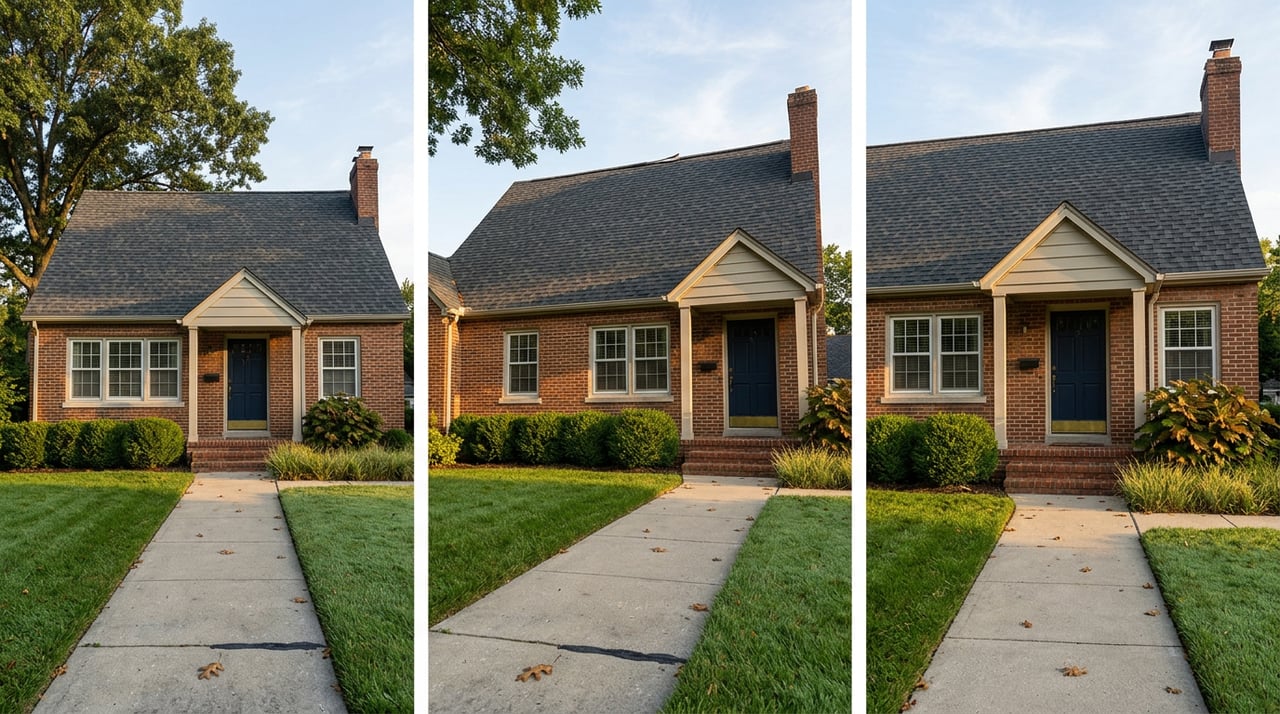
Homes.com describes Downtown as a walkable area and the Central West End as a prominent mixed-use neighborhood. Those settings often appeal to buyers who want a lower-maintenance home close to daily amenities. In other parts of the city, classic brick houses and larger lots may be a stronger match if you want more private space and control.
Price differences to know
A condo can be a more accessible entry point in St. Louis City, but that does not mean every condo is inexpensive or every house is out of reach. Recent local market snapshots from Homes.com report average single-family home prices around $388,004, while townhomes and condos average about $294,958.
At the same time, condo pricing in Saint Louis can range from roughly $100,000 to $600,000 depending on location and amenities. That is a wide spread, and it shows why you need to compare specific buildings and neighborhoods instead of relying on broad assumptions.
Inventory trends also add an important layer. Homes.com reports townhome and condo inventory up about 53% year over year, while single-family inventory is down about 13%. For buyers, that may mean more attached-housing options to evaluate, especially if you want to stay flexible on price, location, or features.
What condo ownership means in Missouri
A condo is not just a home style. In Missouri, it is a specific form of ownership created through a recorded declaration under the Missouri Condominium Property Act.
That means your unit, along with its interest in the common elements, is treated as a separate parcel of real estate. It is also separately taxed and assessed. In simple terms, when you buy a condo, you are buying both your private unit and a share of common property that is governed through the association.
This is one of the biggest differences from buying a house. With a detached house, you generally have more direct control over the building and lot. With a condo, shared spaces, building systems, and many property rules are shaped through the unit owners’ association.
How maintenance compares
For many buyers, maintenance is the deciding factor. If you want less hands-on responsibility for exterior upkeep and common areas, a condo may feel simpler.
That is because condo ownership usually shifts some responsibilities into the association structure. Exterior areas and shared elements are often maintained under that setup, while a house owner typically handles more of the lot, exterior, and building systems directly.
A house can still be a great choice if you want control over repairs, projects, and upkeep decisions. But you should go into it expecting a more active role. In St. Louis City, all properties are still subject to the city’s property maintenance code, so owning a house does not remove city-level maintenance obligations.
Outdoor space and privacy
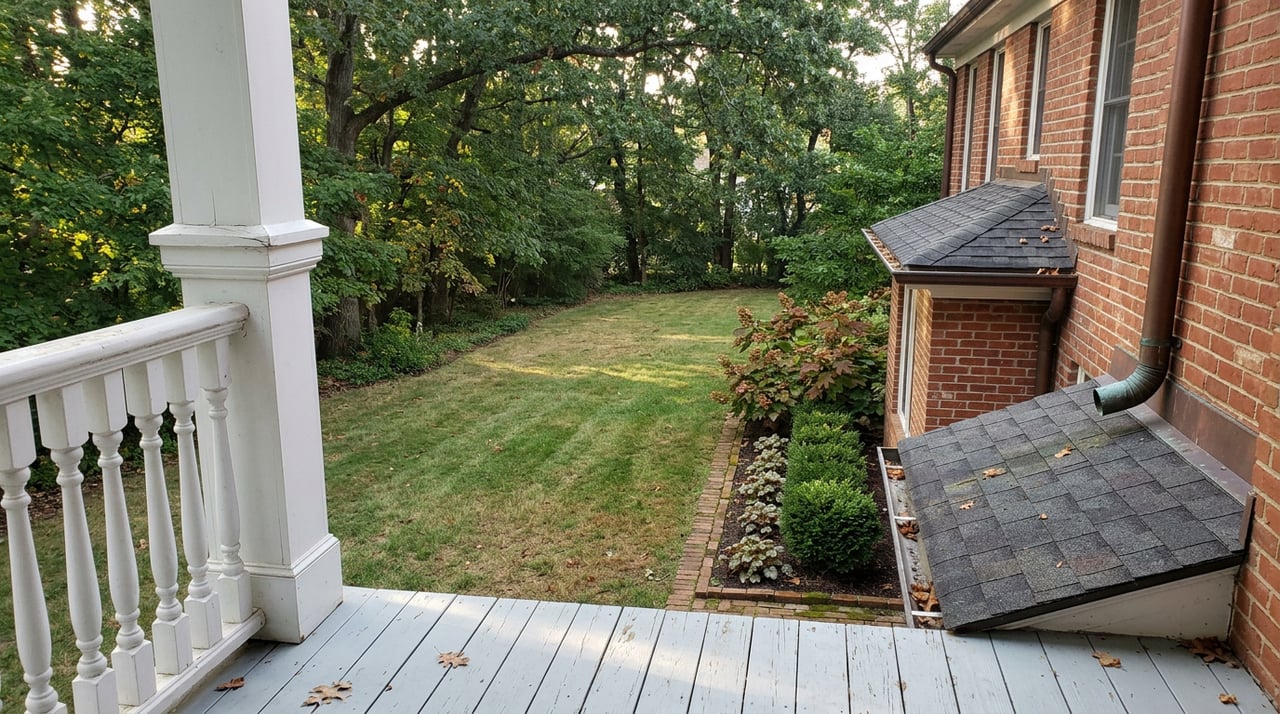
Outdoor space is often where the condo-versus-house choice becomes very clear. If you want a yard, room for gardening, space for pets, or more freedom to shape the exterior, a house often gives you more direct control.
With a condo, features like patios, balconies, and storage areas may be governed by association rules or classified as limited common elements. That does not make them less useful, but it does mean you should confirm exactly what comes with the unit and what rules apply.
If your ideal day includes mowing a lawn, planting flower beds, or spending time in a private backyard, a house may fit better. If your priority is a smaller footprint with less exterior work, a condo may be the easier match.
Rules, fees, and monthly costs
When you compare monthly affordability, do not stop at the mortgage payment. The carrying costs can look very different between condos and houses.
In the City of St. Louis, real estate taxes are collected on each parcel, property is assessed every other year, and tax bills are due by December 31. That applies whether you buy a condo or a house.
The key difference is how ongoing property costs are organized. Condo owners usually pay association dues, and they may also face additional charges if the building needs major work. House owners often avoid association dues, but they are more likely to pay for repairs and exterior maintenance directly as issues come up.
A condo can offer more predictable monthly upkeep costs, but only if the association is well-managed. A house can offer more independence, but your repair budget may be less predictable from year to year.
Why the resale certificate matters
If you are considering a condo in Missouri, one document deserves close attention: the resale certificate. State law requires this document to disclose important details about the association and the property.
That includes the declaration, bylaws, rules and regulations, monthly common expense assessments, unpaid assessments, other fees, anticipated capital expenditures, reserve information, financial statements, insurance coverage, pending suits, and known alteration violations. In short, it tells you a lot about the health and governance of the building.
This is one reason condo shopping requires a slightly different type of due diligence. You are not only evaluating the layout, finishes, and location. You are also evaluating the building’s finances, rules, and future obligations.
Long-term flexibility and control
A house usually gives you more freedom to remodel, expand, or customize your space over time. If your plans include larger renovations, outdoor projects, or changing how the property functions, a house may support those goals more easily.
That said, houses are still subject to local zoning, building, and maintenance rules in St. Louis. More freedom does not mean unlimited freedom. It means fewer association-level restrictions compared with many condo buildings.
A condo may be the better fit if you value convenience over flexibility. If you want a home that supports a more lock-and-leave lifestyle, a well-run condo building can offer a strong long-term fit.
How neighborhood fit should guide you
In St. Louis City, your neighborhood choice can shape this decision just as much as the property type. A condo in a walkable, mixed-use area may support the lifestyle you want better than a house in a location that feels less connected to your daily routine.
On the other hand, a house in a neighborhood with more traditional residential patterns may give you the space and privacy you cannot find in a condo building. Because the city has such a broad housing mix, your ideal match often comes from pairing the right home type with the right block, not choosing one category in the abstract.
This is where local guidance makes a real difference. Looking at the same budget across several city neighborhoods can reveal very different tradeoffs in space, amenities, maintenance, and long-term fit.
Questions to ask before you choose
Before you decide between a condo and a house in St. Louis City, ask yourself a few practical questions:
- How much exterior maintenance do you want to handle yourself?
- Do you want a private yard or would a balcony or shared outdoor area work?
- Are monthly association dues worth the convenience to you?
- How important is flexibility for renovations, pets, parking, or rentals?
- How long do you expect to stay in the home?
- What kind of buyer is likely to want this property again in five to ten years?
If you are looking at condos specifically, add these questions:
- What does the monthly HOA or association fee cover?
- Are reserves healthy?
- Are any major repairs or capital projects planned?
- Are there restrictions on pets, rentals, parking, or renovations?
- Is the outdoor space deeded, shared, or a limited common element?
Which option may fit you best
A condo may be the better choice if you want lower exterior maintenance, access to walkable city living, and a simpler day-to-day setup. It can also be a smart option if you want to focus your search on attached housing inventory that may offer more choices in certain price ranges.
A house may be the better choice if you want more private outdoor space, more control over the property, and more flexibility to personalize the home over time. It can also be a better fit if you are comfortable budgeting for direct maintenance and repairs.
Neither option is automatically better. In St. Louis City, the best choice usually comes down to your maintenance tolerance, outdoor-space needs, monthly budget structure, and the neighborhood experience you want most.
If you want help comparing specific St. Louis City condos and houses through a neighborhood-first lens, Bethany DeMaggio can help you sort through the tradeoffs and find the right fit for your next move.
FAQs
What is the main difference between a condo and a house in St. Louis City?
- A condo usually includes shared ownership of common elements through an association, while a house usually gives you more direct control over the building and lot.
Are condos cheaper than houses in St. Louis City?
- Often, but not always. Homes.com reports average Saint Louis single-family home prices around $388,004 and average townhome and condo prices around $294,958, with condo prices varying widely by location and amenities.
What should you review before buying a condo in Missouri?
- You should carefully review the resale certificate, which can include association rules, fees, reserve information, financial statements, insurance coverage, planned capital expenses, and pending legal matters.
Do houses in St. Louis City have fewer rules than condos?
- Houses usually have fewer association-level restrictions, but they are still subject to St. Louis zoning, building, and property maintenance rules.
How do St. Louis City property taxes work for condos and houses?
- The City of St. Louis collects real estate taxes on each parcel, assesses property every other year, and bills are due by December 31.
Which St. Louis City home type is better for low maintenance?
- A condo is often better for buyers who want less direct responsibility for exterior and common-area upkeep, while a house usually requires more hands-on maintenance.