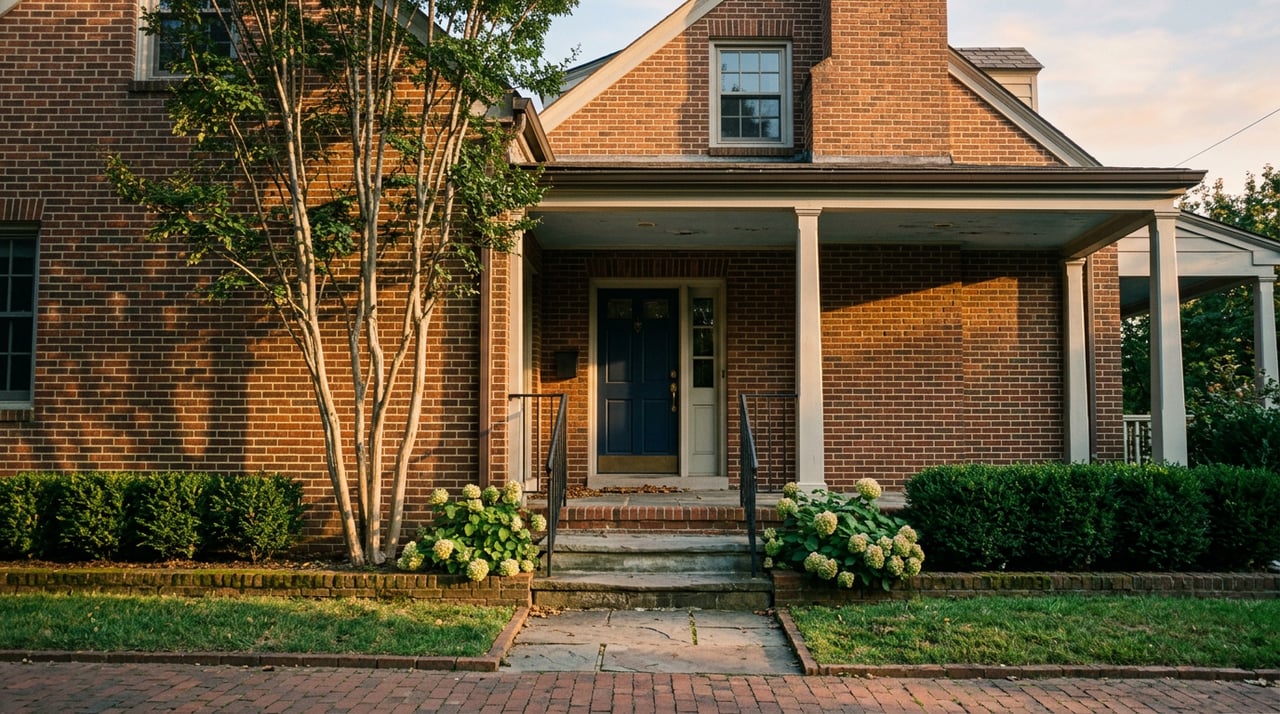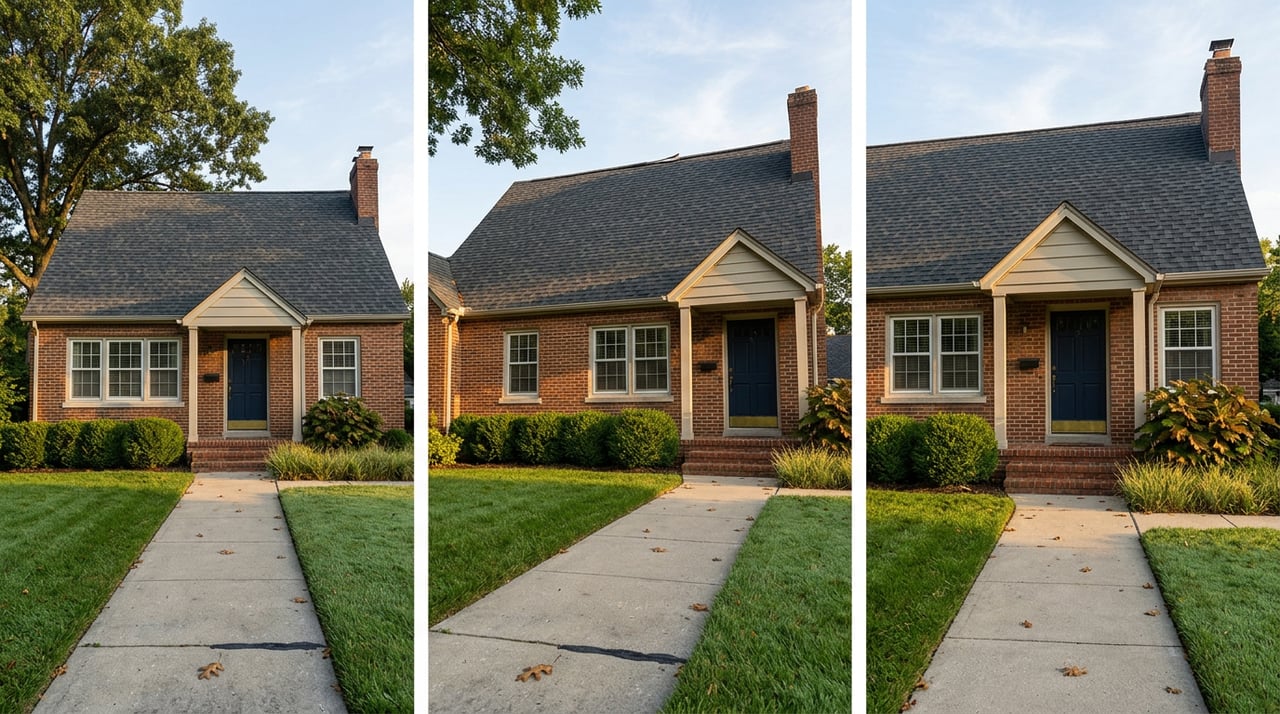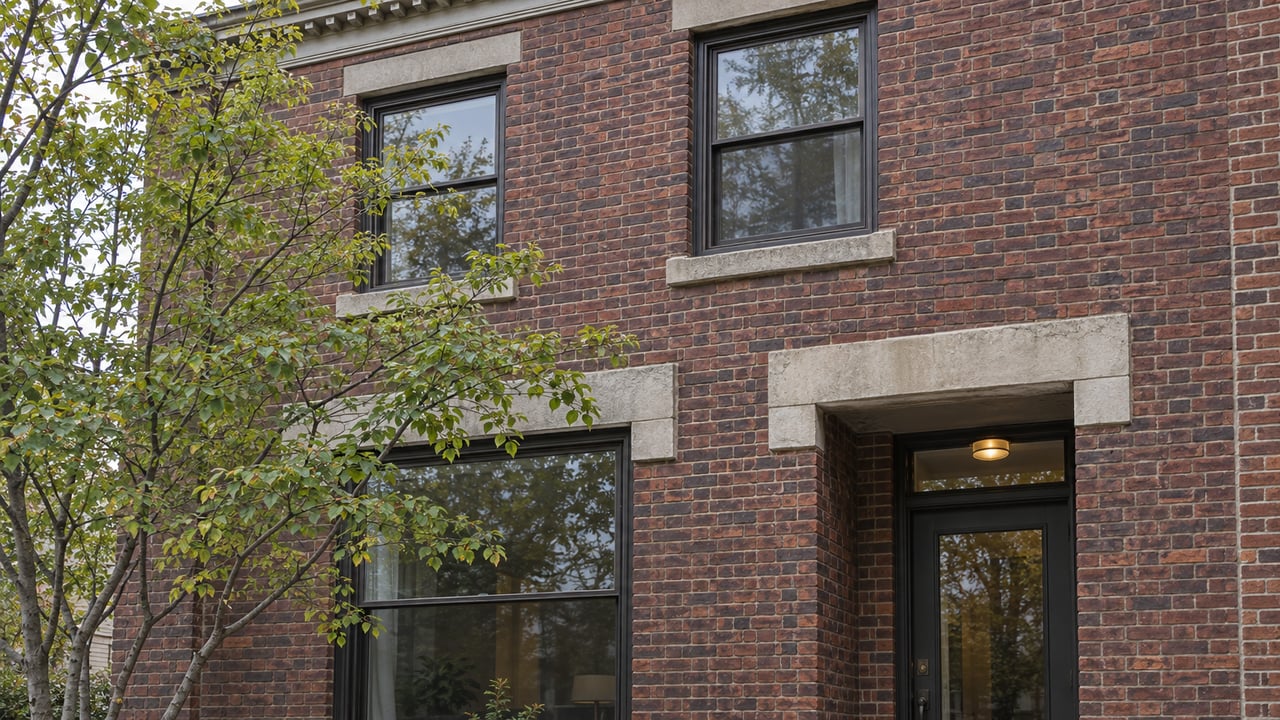
A few years back, an investor could pick up a tired two-family brick flat in Shaw, freshen the kitchens and baths, refinance into a 4 percent loan, and pull most of their cash back out while still collecting rent every month. That trade closed sometime in the last year. Freddie Mac's weekly mortgage survey put the 30-year fixed rate at 6.71 percent for the week ending September 3, 2026, the highest print since July 2025. The rent side of a Shaw duplex still works about as well as it ever did. The refinance side of the deal is what actually broke, and it broke quietly enough that a lot of small-portfolio buyers in this neighborhood are still running last cycle's spreadsheet.
That distinction matters more than it sounds like it should. If you're comparing Shaw against Tower Grove South, Dutchtown, or Lafayette Square for your next acquisition, the number that changes your outcome isn't the median price on the listing. It's what happens twelve months later when you try to refinance out of your renovation loan.
What the Old Math Actually Depended On
Two-to-four-unit brick flats have always been Shaw's bread and butter. A recent listing for a fully occupied quadruplex in the neighboring Botanical Heights submarket illustrates the shape of the deal well: recently replaced electric panels and PVC plumbing, three units renting slightly below market, and a path to an 8.5 percent cap rate once those rents catch up. A twelve-unit building near Tower Grove Park, originally built in 1907 and fully renovated including converted electrical systems and updated plumbing, shows the other end of the spectrum: a stabilized, turnkey asset priced for a buyer who wants income on day one rather than a renovation project.
For years, that second kind of deal wasn't the only one that worked. Investors buying rougher two-family flats in Tower Grove South and comparable South City pockets could do a cosmetic rehab, refinance, and extract close to 100 percent of their invested capital while still keeping a comfortable operating margin. The mechanism behind that trade was cheap debt. When you could refinance into a 4 percent loan, the monthly payment on even an aggressive loan amount left plenty of room under the rent roll.
The Number That Actually Moved
Debt Service Coverage Ratio lenders financing non-owner-occupied properties in Missouri are now underwriting to a minimum coverage ratio of 1.20 to 1.25, meaning the rent has to cover the mortgage payment by that margin before a lender will approve the loan amount. Run that against a real example: a newly renovated duplex in South City yielding $2,600 a month in total rent can only support a monthly payment, including principal, interest, insurance, and local taxes, of roughly $2,080 if it's going to qualify for maximum leverage. Two years ago, that same $2,600 in rent supported a meaningfully larger loan amount because the interest rate eating into that payment was so much lower.
This is the part of the trade that changed. Rent didn't need to fall for the math to break. The cost of the loan that used to convert renovated equity back into cash simply got more expensive, and the ceiling on how much an investor can refinance out shrank along with it.
Why the Appraisal Is the Choke Point Now, Not the Rent
Shaw's own rent comps have kept moving in the right direction. Zumper's July 2026 data put average rent in Shaw up 7.81 percent year over year. A neighborhood-level rent breakdown used for underwriting small multifamily in the area puts Shaw around $917, compared to Dutchtown at $977 and Lafayette Square at $1,769, a spread that matters because a citywide average would flatten out exactly the block-by-block difference an investor needs to price a deal correctly.
Prices, meanwhile, have gone flat. Zillow's August 2026 report put the typical St. Louis metro home value at $277,084, down 0.1 percent from July, even with rents still climbing. That combination, rising rent and stalling price appreciation, is normally good news for a buy-and-hold investor. The complication shows up at the refinance appraisal. With citywide appreciation no longer doing any of the work, appraisers are pricing renovated flats more conservatively than they were two years ago, scrutinizing material choices, the age of mechanical systems, and even where one neighborhood's comp boundary lines end and another's begin. A renovated Shaw flat now gets compared against genuinely similar renovated Shaw flats, not against whatever comp happened to close nearby at a higher number during a hotter market.
That's a real shift in how the after-repair value gets set, and it's the reason the refinance can come in lower than an investor's own renovation budget assumed, even when the rent roll performs exactly as projected.
What This Actually Means for a Shaw Buyer Today
Shaw's own multi-family listings show the split playing out right now. As of April 2026, the median price for a multi-family home in the neighborhood sat at $392,000, with the range running from $344,900 up to $615,000, and the typical multi-family listing spending about 29 days on market before selling. The properties commanding the top of that range tend to be the ones already renovated and cash-flowing from day one, like the fully occupied buildings mentioned earlier. The properties at the value-add end of that range are the ones where the old trade used to generate the most upside, and they're also the ones carrying the most renovation risk.
That risk is specific to St. Louis's housing stock, not a general warning about older homes. A 1920s four-family with original galvanized plumbing and knob-and-tube wiring can eat a year of projected cash flow in a single week of surprise repairs, and that kind of mechanical system is common rather than rare in buildings from this era. The same age that makes these buildings charming and rentable to graduate students and hospital staff near Saint Louis University and the Washington University Medical Center is the age that makes the renovation budget the hardest number to estimate accurately.
None of this means the Shaw duplex trade is dead. It means the trade now depends on getting three numbers right before you write an offer, not just one. The purchase price still matters. The rent roll still matters, and Shaw's rent comps are moving the right direction. What changed is that the refinance now has to be modeled at today's rate, against a conservative appraisal, before you can know whether the deal that looks good on the purchase contract still works twelve months later when you try to pull your capital back out.
A Few Questions Worth Asking Before You Offer
Does a higher rate mean Shaw is a worse investment than it was two years ago? Not necessarily. It means the deal has to be underwritten differently. A property that only worked because a 4 percent refinance rescued a thin margin was always a fragile deal. One that cash flows on its own at today's rates, before counting on the refinance to bail it out, is a sturdier starting point regardless of what mortgage rates do next.
How do I know if a Shaw rent roll reflects real market rent or an optimistic seller's estimate? Pull comps at the neighborhood level rather than the citywide average. A $917 comp and a $1,769 comp can sit a few miles apart in this city, and using the wrong one will make a deal look better or worse than it actually is.
What should I ask my lender before making an offer on a Shaw multi-family property? Ask what DSCR they'll require on the refinance leg, not just the acquisition loan, and ask them to run the numbers at the rate you'd actually be refinancing into rather than today's quote. The gap between those two answers is usually where a deal's real risk is hiding.
Shaw's brick flats haven't stopped being good rental assets. The spreadsheet just needs updating before the next offer goes in. If you're weighing a two-family flat here against something in Tower Grove South, Dutchtown, or another South City pocket, Bethany DeMaggio can walk through the actual rent comps and refinance math for the specific building you're looking at, not the citywide average.