Running the numbers on a duplex can feel overwhelming, especially when local terms get confusing. Many people say “Tower Grove” to mean the St. Louis City neighborhoods around Tower Grove Park, while St. Charles is a different suburban market across the river. You want a simple, reliable way to underwrite a two-unit in either area and see a clear picture of cash flow, risk, and returns. This guide gives you a step-by-step framework you can reuse, plus practical ranges and a working example to help you move from guesswork to confident offers. Let’s dive in.
Define your submarket first
Before you touch a spreadsheet, decide if you’re evaluating a Tower Grove–style urban duplex in St. Louis City or a suburban duplex in St. Charles. Your assumptions will change.
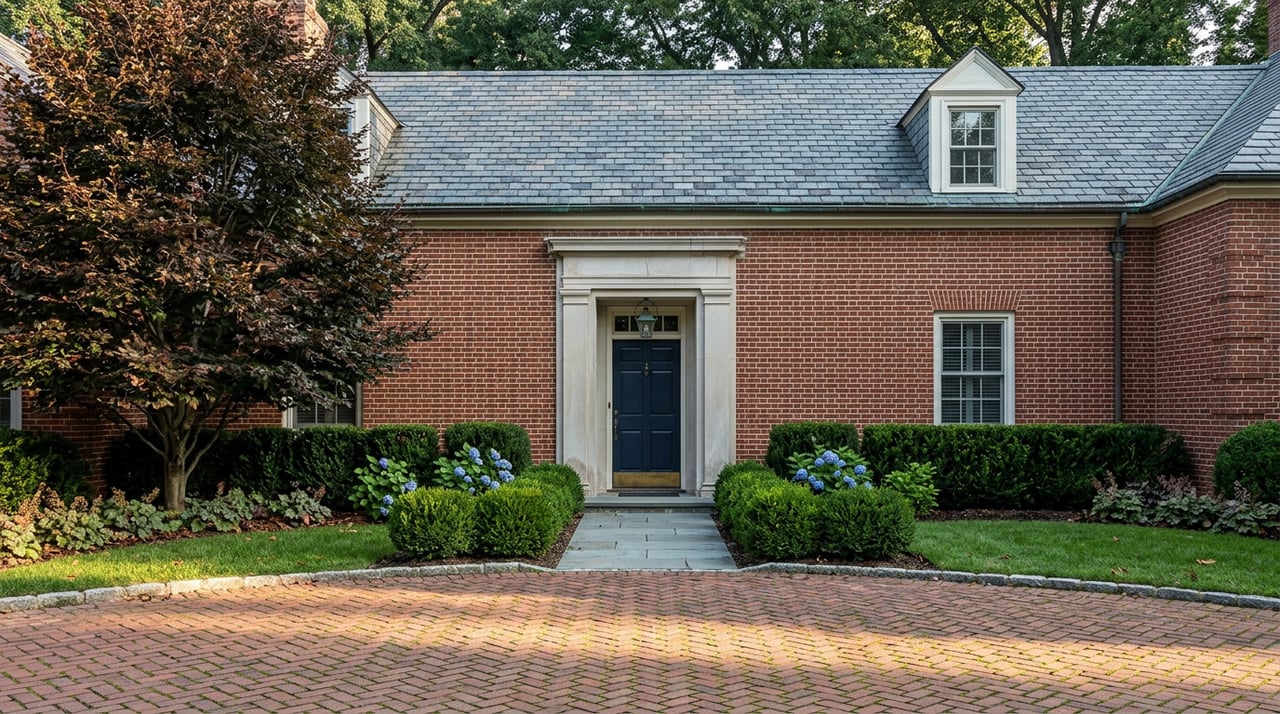
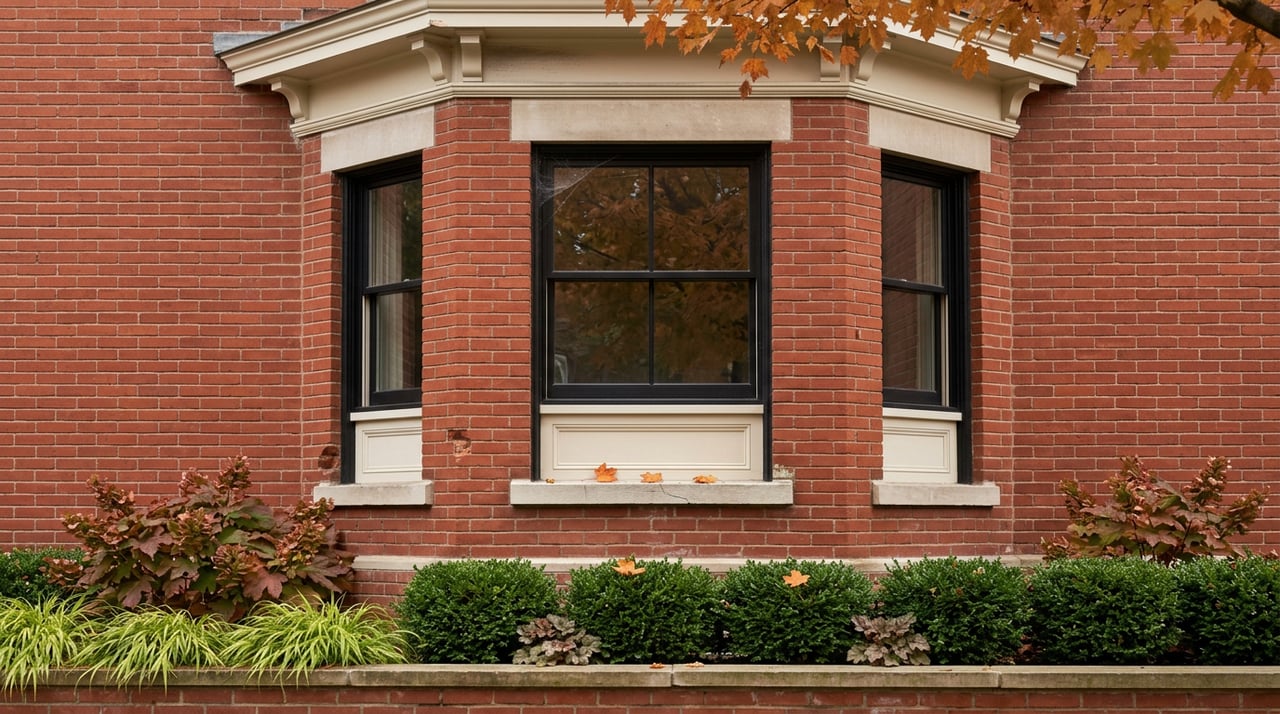
- Building stock: Tower Grove buildings are often late-19th or early-20th-century masonry with smaller 1BR and 2BR units and limited parking. St. Charles tends to offer larger units and more parking.
- Tenant profile: Urban Tower Grove areas often attract young professionals, students and hospital workers alongside long-term local households. St. Charles tenants skew more family-oriented with longer tenancies.
- Implication: Adjust rent comps for unit size and amenities, and expect higher near-term repairs and capital needs in older City buildings.
Gather rent comps that match
Where to look
Use multiple sources so you see both current asking rents and real-world leased rates.
- MLS rental listings and historical listings
- Local property manager portfolios
- Listing aggregators and rent trend sites for context
- Craigslist or neighborhood groups for informal listings
- University housing boards if student demand is relevant
What to record for each comp
- Unit type and size: beds, baths, square footage
- Condition and updates: kitchens, baths, flooring, windows
- Amenities: in-unit laundry, central AC, parking, outdoor space
- Utilities and terms: who pays what, lease length, concessions
- Timing: when it rented, and any special circumstances
How to adjust comps
- Size: normalize to dollars per square foot, then scale back to your unit size.
- Amenities and condition: add or subtract for laundry, AC, parking, finishes, and outdoor space.
- Timing: adjust older comps for current rent trends.
- Concessions: convert gross to net rent if a comp included a free month or discount.
Do not forget other income
- Laundry, parking, pet rent, storage, and application fees can add modest income. Estimate realistic take rates. For example, coin laundry depends on whether you own the machines.
Build your income statement
Step 1: Gross Scheduled Income
List market rent for each unit after you adjust your comps. Add any reliable other income.
Step 2: Vacancy and credit loss
Underwrite vacancy based on submarket and property type. A typical range for stable urban submarkets is about 5 to 10 percent of Gross Scheduled Income. Use the low end for tight, well-managed buildings and the high end if turnover is common or seasonality is a factor.
Step 3: Effective Gross Income
Effective Gross Income equals Gross Scheduled Income minus vacancy and credit loss, then plus other income.
Estimate operating expenses
Your expenses should reflect the age of the building, what utilities you pay, and local taxes and fees. Small multifamily expense ratios often land between 35 and 55 percent of Effective Gross Income. Vintage buildings usually sit near the higher end.
Property taxes
Pull the current tax bill from the county assessor and calculate the annual cost directly. Confirm assessed value, any exemptions, and the rates. Express taxes both as dollars per unit and as a percent of gross rent so you can compare properties across submarkets.
Insurance
Obtain a quote for a small multifamily investor policy that covers building and liability. Expect older masonry buildings to have different premiums than newer construction.
Utilities and metering
Confirm whether water, sewer, trash, common electric, and any heat or hot water are master-metered and owner-paid. Ask for 12 to 36 months of utility bills to verify.
Management and leasing
If you plan to hire a third-party manager, many small multifamily firms charge about 6 to 10 percent of gross rent, sometimes with minimums or per-unit fees. Include advertising and make-ready costs for each turnover.
Repairs and maintenance vs. CapEx
- Repairs and maintenance: a common underwriting range is roughly 5 to 10 percent of Effective Gross Income. Older City buildings often need more near-term work.
- Capital expenditures and reserves: set aside a separate reserve for big-ticket items like roofs, boilers, windows, or major systems. A planning range is about 3 to 5 percent of gross rents or about 300 to 800 dollars per unit per year, toward the higher end for vintage properties.
Admin and other line items
Add reasonable estimates for accounting, legal, landscaping, pest control, inspection and licensing fees, and a small bad-debt allowance.
Model financing and returns
Follow an income-first sequence so your price and loan fit the property’s cash flow.
- Net Operating Income: Effective Gross Income minus operating expenses.
- Cap rate: NOI divided by purchase price. Use local 2 to 4 unit sales to check whether your target cap rate is realistic.
- Debt Service Coverage Ratio: lenders commonly look for DSCR near 1.20 to 1.25 on investment 2 to 4 unit loans.
- Leverage: typical investor Loan-to-Value is about 75 to 80 percent, with amortization often 25 to 30 years. Terms vary by lender.
- Cash-on-cash: annual cash flow after debt divided by equity invested. Many small-portfolio buyers target about 6 to 12 percent, then adjust for risk and growth.
Run a sensitivity analysis
Test how the deal behaves under stress.
- Rents down 5 to 10 percent
- Vacancy up to 10 to 12 percent
- One major CapEx year, like a roof or boiler
- Interest rate up if your loan resets
Watch the impact on DSCR and cash-on-cash so you know your breakeven points.
A simple Tower Grove duplex example
Here is a hypothetical two-unit underwriting to show the math structure. Use your own comps and quotes for a real property.
- Units: 1BR at 900 dollars per month, 2BR at 1,200 dollars per month
- Gross Scheduled Income: 2,100 dollars per month, 25,200 dollars per year
- Vacancy and credit loss (7 percent): minus 1,764 dollars
- Other income (parking or laundry): 600 dollars per year
- Effective Gross Income: 24,036 dollars per year
Operating expenses example:
- Property taxes: 2,000 dollars
- Insurance: 1,200 dollars
- Owner-paid water, sewer, trash: 1,800 dollars
- Repairs and maintenance (7 percent of EGI): 1,682 dollars
- Property management (8 percent): 1,923 dollars
- Reserves/CapEx: 1,200 dollars
- Miscellaneous/admin/legal: 700 dollars
- Total operating expenses: about 11,005 dollars
Net Operating Income: about 13,031 dollars
If purchase price equals 200,000 dollars, the implied cap rate is about 6.5 percent. With 75 percent LTV at 6.5 percent interest and a 25-year amortization, annual debt service is about 11,623 dollars. Cash flow after debt is about 1,408 dollars. That yields roughly 2.8 percent cash-on-cash if you invest 50,000 dollars in equity plus closing costs. Your levers are price, rent growth, expense control, or different financing terms.
City vs. suburban checks to make
When you compare a Tower Grove–style duplex to one in St. Charles, normalize your numbers.
- Taxes: compute tax cost per unit and as a percent of gross rent to see the real burden in each jurisdiction.
- Licensing and inspections: confirm rental registration and inspection frequency in the specific municipality. Noncompliance can add costs and delays.
- Tenant law and process: eviction timelines and court procedures vary by county. Budget realistic legal costs and downtime.
- Insurance and hazards: older masonry buildings may have different premiums. Check flood maps and lead-based paint rules for pre-1978 buildings.
- Utilities and parking: master-metered water or limited parking affects rent, occupancy, and owner-paid expenses.
Due diligence checklist
Gather these items before you finalize price or terms.
- Rent roll, current leases, and security deposit records
- Tenant payment history
- Utility bills for 12 to 36 months
- Recent property tax bills and assessor records
- Insurance claims history and any inspection reports
- Deferred maintenance list and contractor bids
- Certificates of occupancy, permits, and service records for HVAC, roof, boiler, and electrical
- Lead-based paint disclosures and remediation records for pre-1978 buildings
- Interior and exterior photos, floor plans, and square footage verification
- Title work, easements, and any open code violations or liens
- Comparable sales and rental comps supporting your underwriting
- Municipal ordinances: rental registration, inspection costs, and timeline
Quick worksheet you can copy
Use this simple structure to underwrite any duplex.
- Income
- Unit A market rent: ____ per month
- Unit B market rent: ____ per month
- Other income (parking, laundry, pets): ____ per month
- Gross Scheduled Income: ____ per year
- Vacancy and credit loss
- Vacancy percent: ____% → Vacancy dollars: ____ per year
- Effective Gross Income: ____ per year
- Operating expenses
- Property taxes: ____
- Insurance: ____
- Utilities paid by owner: ____
- Repairs and maintenance: ____ (or ____% of EGI)
- Property management: ____ (or ____% of rent)
- Reserves/CapEx: ____
- Admin/legal/other: ____
- Total operating expenses: ____
- Returns and financing
- Net Operating Income: EGI minus expenses = ____
- Target cap rate: ____ → Price check: NOI divided by cap = ____
- Loan terms: rate ____%, amortization ____ years, LTV ____%
- Annual debt service: ____ → DSCR: NOI divided by debt service = ____
- Cash flow after debt: ____ → Cash-on-cash: cash flow divided by equity = ____
- Sensitivity
- Rents minus 5 percent: DSCR ____ | Cash-on-cash ____
- Vacancy 10 percent: DSCR ____ | Cash-on-cash ____
- One major CapEx year: cash reserve impact ____
Common pitfalls to avoid
- Using asking rents that ignore concessions or utilities included
- Underestimating vacancy and turnover in smaller 1BR-heavy buildings
- Treating big-ticket repairs as routine maintenance instead of CapEx
- Ignoring municipal rental registration and inspection costs
- Copying last year’s tax bill without checking current assessed value
Ready to underwrite with confidence?
If you want local rent comps, recent duplex sales, or a second set of eyes on your model, you do not have to do it alone. Work with a neighborhood-savvy advisor who understands both Tower Grove and St. Charles, plus the realities of small multifamily operations. Connect with Bethany DeMaggio for a clear, data-backed plan for your next duplex. Let’s talk about your next move — book a free consultation or get your home valuation.
FAQs
What is the first step to underwrite a Tower Grove duplex?
- Define whether you are analyzing an urban St. Louis City duplex near Tower Grove Park or a suburban St. Charles duplex, then pull rent comps that match unit size, condition, amenities, and utilities.
How do I choose a vacancy rate for a small duplex?
- Use a typical range of about 5 to 10 percent based on building condition, tenant turnover, and submarket stability, then validate with local property managers.
How much should I budget for repairs and CapEx?
- Plan roughly 5 to 10 percent of Effective Gross Income for repairs and maintenance plus a separate reserve of about 3 to 5 percent of gross rents or 300 to 800 dollars per unit per year.
What lender metrics matter most for 2–4 units?
- Many lenders look for a DSCR near 1.20 to 1.25 and investor LTV around 75 to 80 percent, with amortization commonly 25 to 30 years.
How do I compare St. Louis City and St. Charles deals fairly?
- Compute taxes per unit and as a percent of rent, normalize rents to dollars per square foot, adjust for parking and utilities, and run the same sensitivity tests on both properties.