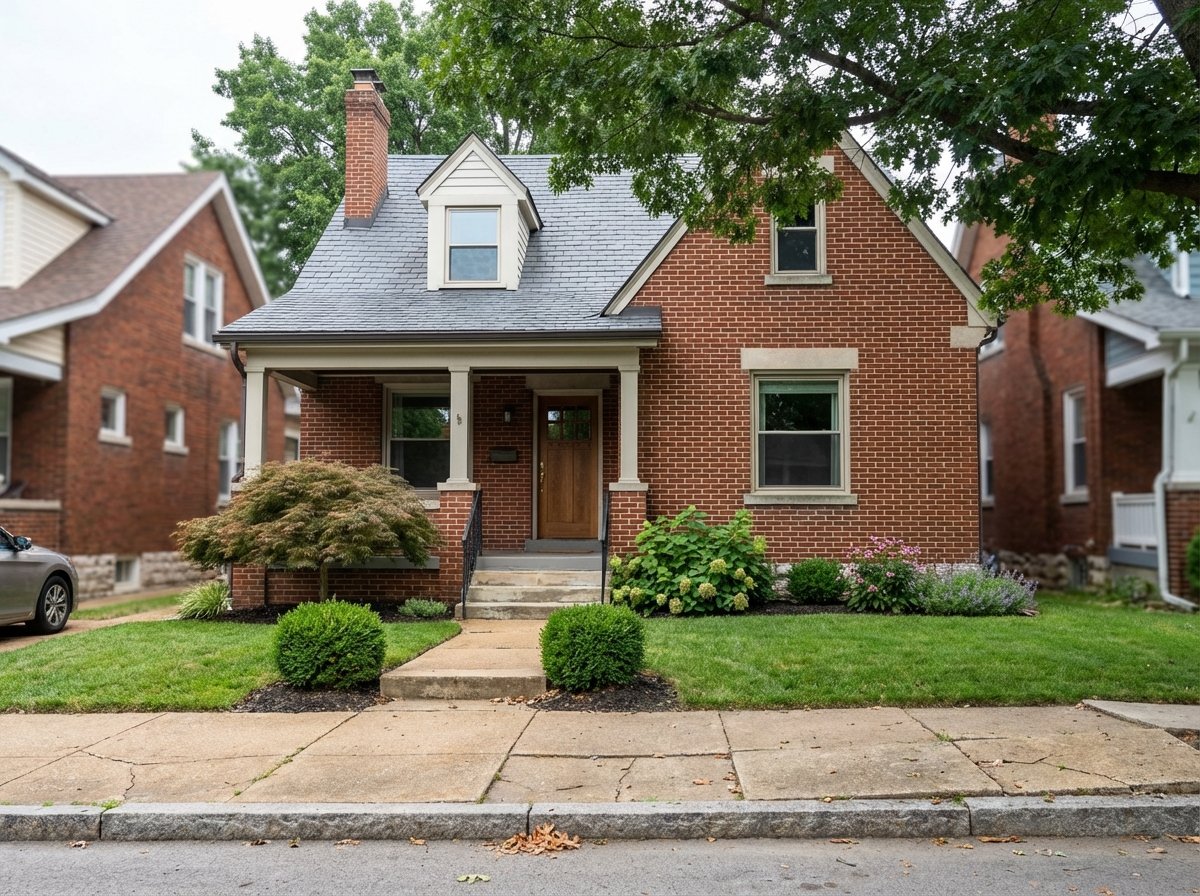
Heard great things about Tower Grove and wondering if it fits your first-home budget and lifestyle? You are not alone. Many first-time buyers are drawn to its walkable streets, historic brick homes, and vibrant local scene. In this guide, you will learn where Tower Grove is, what you can buy, how much to budget, which inspections matter most, and a clear step-by-step plan to shop with confidence. Let’s dive in.
Where Tower Grove is and why it appeals
If you hear “Tower Grove,” locals mean the city neighborhoods around Tower Grove Park in south St. Louis City, most commonly Tower Grove South and Tower Grove East. It is not in St. Charles. The park itself is a 19th-century landmark and a daily-life anchor for the area, with pavilions, events, and a popular farmers’ market. You can read about its history in the Tower Grove Park overview.
What draws first-time buyers here is simple. You get a strong mix of walkability, independent restaurants and cafés, and easy park access. Walk Score rates Tower Grove South as “Very Walkable,” which lines up with what you will feel on the ground near South Grand and Morganford. Check the Walk Score details for Tower Grove South to see how daily errands stack up by block.
What you can buy in Tower Grove
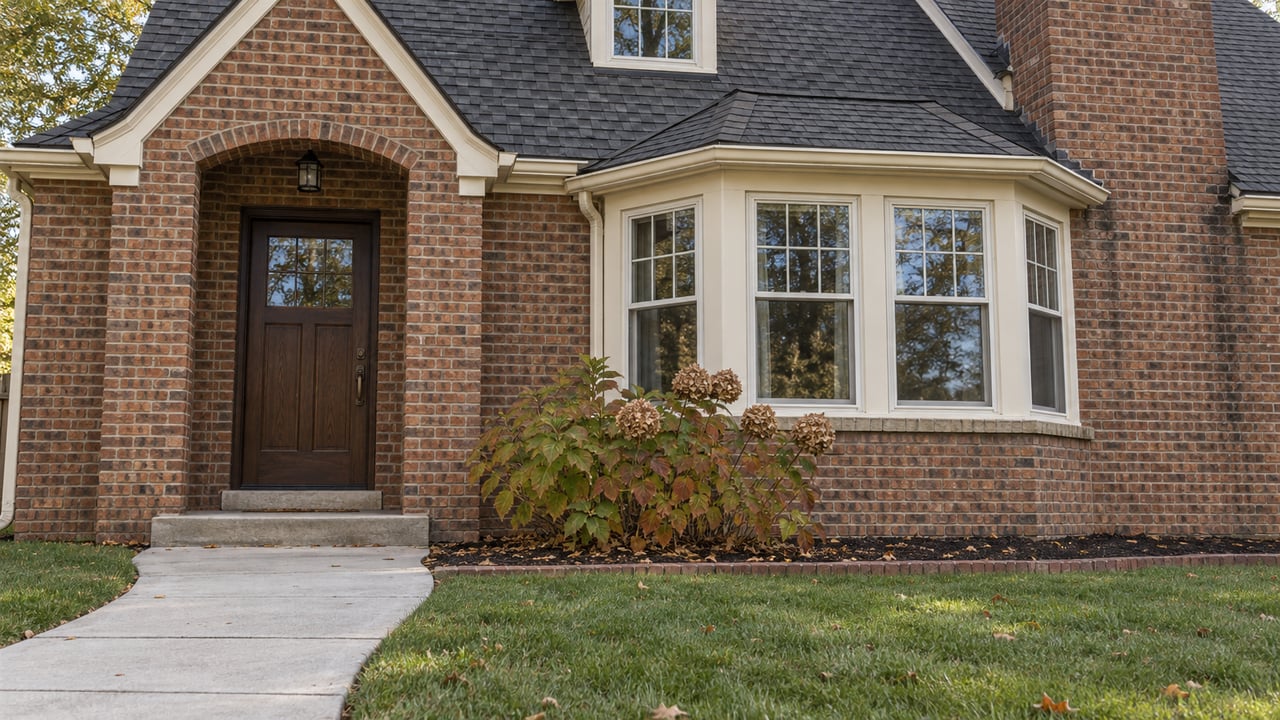
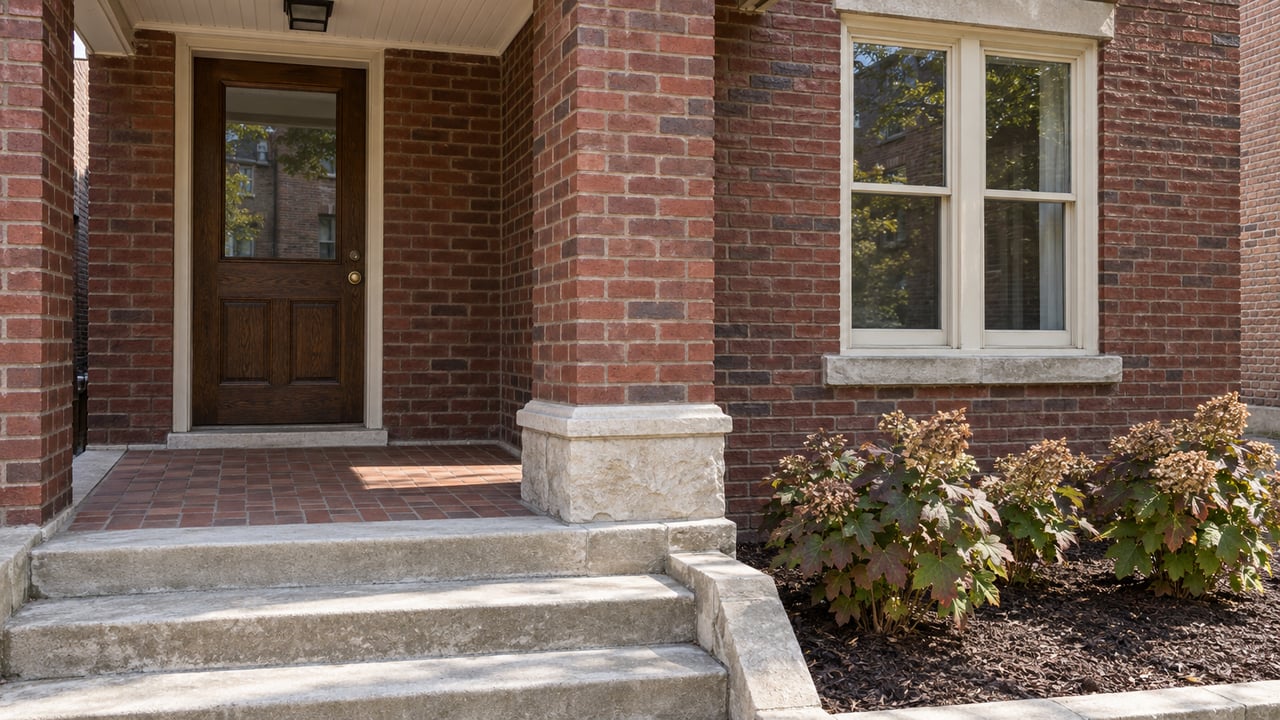
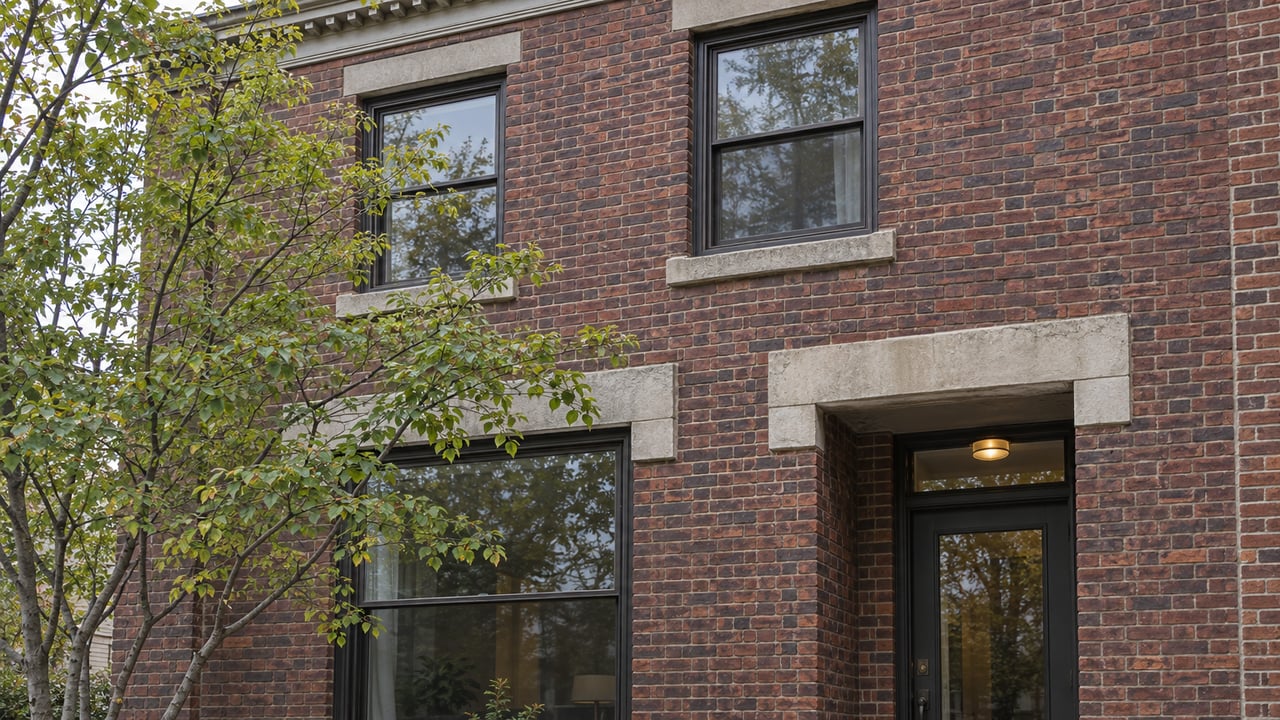
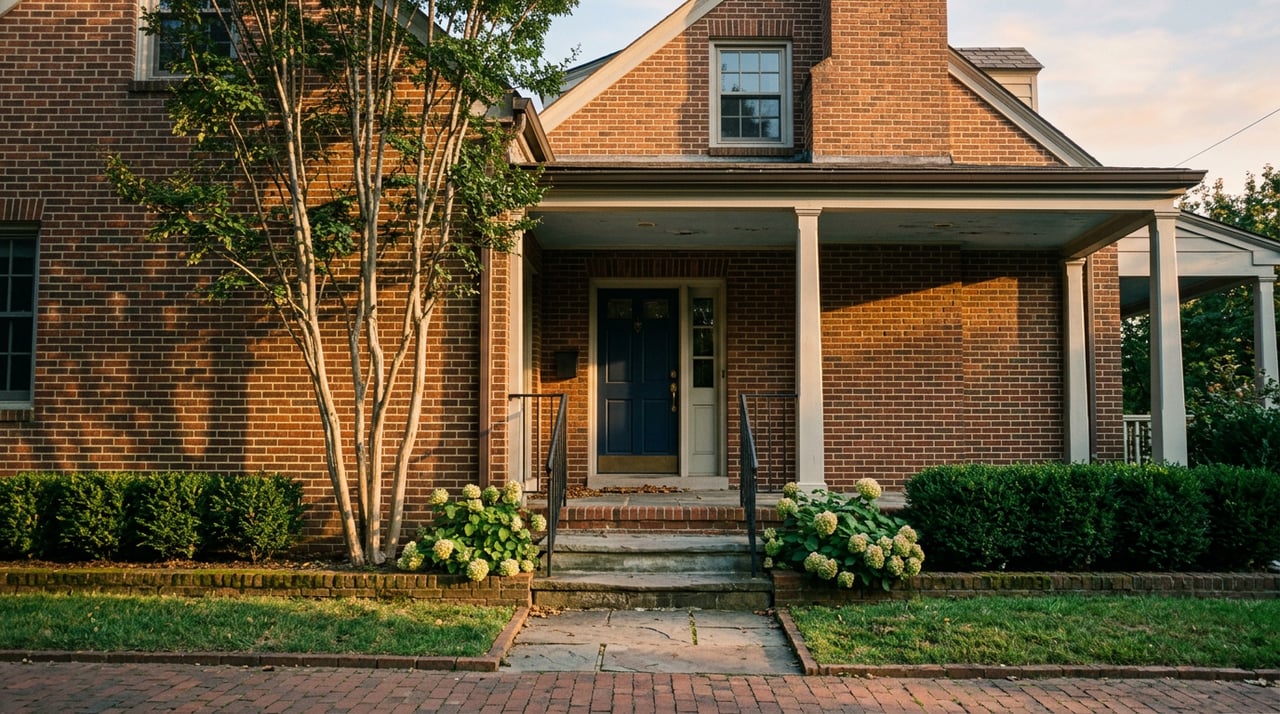
Most homes here are late-19th to early-20th century masonry. You will see brick single-family homes, American Foursquares, two-flats, and some rowhouses with Queen Anne or Victorian details. Some pockets, like parts of Tower Grove Heights, include designated historic districts. Expect a wide range of renovation levels, from full gut renovations to solid-but-dated interiors that you can update over time.
Price expectations, based on recent neighborhood snapshots:
- Tower Grove South median sale price sits around the mid $250Ks. Recent reports show about $251,500 as of January 2026. Smaller homes or fixers often fall below that, while well-renovated homes command more.
- Tower Grove East, often grouped with nearby Gate District in roundups, trends higher, typically in the low to mid $300Ks depending on exact location and renovation level.
- Larger, fully renovated homes or properties closest to the park can land well above these medians. It is common to see prime, turnkey listings push into the $350K to $500K range.
For a first-time buyer, a practical way to think about the market is by condition band:
- Fixer or smaller duplex/small single family: roughly $150K to $230K, with condition driving price.
- Updated 2 to 3 beds that are move-in ready: roughly $230K to $350K.
- Larger, fully renovated historic homes: $350K and up, sometimes $500K+ near the park.
Always confirm current comps with your agent because neighborhood-level medians shift month to month.
How competitive the market feels
Turnkey homes near the park and along walkable corridors can move quickly, especially in spring and early summer. A recent snapshot placed days on market for Tower Grove South around a month, though well-priced listings can go faster. If you want a renovated home in a high-demand micro pocket, you should be ready to tour early and submit a strong, clean offer.
Inspections you should not skip
Older brick homes offer character, but age brings predictable issues. A standard home inspection covers the roof, foundation and basement, HVAC, plumbing, electrical, windows and doors, and visible structure. Most professional inspectors spend 2 to 4 hours on site and deliver a clear report within a couple of days. If you have never attended one, this overview of what a home inspection includes is a useful reference.
Common items in Tower Grove’s older housing stock:
- Electrical: Some homes still have knob-and-tube or cloth-insulated wiring. Insurers may limit coverage on these systems, and rewiring costs can be significant. Learn the basics in this InterNACHI guide to knob-and-tube wiring.
- Masonry: Brick tuckpointing and porch repairs are normal lifecycle items.
- Roofing: Pay attention to roof age and flashing around dormers and chimneys.
- Basements: Moisture control, drainage, and sump pump needs are common watch items.
- Plumbing: Older galvanized supply lines and cast-iron drains may be approaching end of life in some homes.
- Lead-based paint: Any pre-1978 home can have lead risk. Federal disclosures apply, and testing is available. See the EPA and HUD lead disclosure information.
Specialty tests you should plan on in Tower Grove:
- Radon test. Missouri has broad radon potential, and many homes test at or above the EPA action level. A short-term test runs 48 to 72 hours and is easy to schedule during your inspection window. If results are elevated, mitigation is common and often runs in the low thousands, with many projects at or under about $2,000 depending on the home. Review guidance on testing and mitigation from the Missouri Department of Health and Senior Services.
- Sewer scope. Older laterals and mature street trees can mean root intrusion or offsets. A camera scope can save you from a surprise repair bill later.
- WDO or termite inspection and optional lead paint testing. These are separate from a standard inspection and worth considering for older or multi-unit properties.
Pro tip: Ask your inspector to prioritize findings by safety, major systems, and routine maintenance. You can then decide whether to ask for repairs, request a seller credit, or accept the issue and adjust your budget.
Appraisals and loan types to consider
Appraisers typically rely on recent, nearby comparable sales and adjust for condition. If the home you love needs work, the appraised value may reflect that. Limited or mismatched comps can also lead to appraisal shortfalls, which you and your agent can plan for. Appraisal standards are guided by USPAP. If you want a deeper dive into appraisal practice, see the USPAP reference document.
If you plan to use an FHA-insured loan, there are Minimum Property Requirements. The appraiser will note health and safety issues, and the lender may require repairs before loan endorsement. Review the policy language in the HUD Single Family Housing Policy Handbook 4000.1. If you are targeting older homes, talk with your lender early about likely requirements so you can focus on properties that will pass with minimal conditions.
How Tower Grove compares
Affordability. Tower Grove South often sits in the mid $200Ks for median sales, while Tower Grove East trends into the low to mid $300Ks. That places Tower Grove mid-range within St. Louis City. It is often more affordable than the priciest historic cores yet more competitive than some outer south-city pockets.
Walkability and daily life. Tower Grove neighborhoods rate well for walkability, similar to other central city areas known for restaurants and parks. Transit access is primarily bus service. Many residents still drive for some commutes, but off-peak trips to downtown are generally short. For a block-by-block view, start with the Walk Score map for Tower Grove South and then test your specific commute times.
Lifestyle tradeoffs. If you want character, park access, and independent restaurants, Tower Grove delivers. If you need a home that is truly turnkey, expect to pay a premium or expand your search radius. If you are open to light updates, you may find better value a few blocks farther from the park.
Step-by-step plan for first-time buyers
Get pre-approved, not just pre-qualified. A real pre-approval clarifies your budget and strengthens your offer in competitive micro pockets.
Define your must-haves versus nice-to-haves. Examples include a short walk to the park, off-street parking, number of bedrooms, and acceptable renovation level. If heavy projects are not for you, make “move-in ready” a hard filter.
Work with a buyer’s agent who knows Tower Grove. Hyper-local comps and common inspection issues matter in negotiation. An experienced local advisor will help you weigh price, condition, and resale potential.
Plan inspections and specialty tests up front. Book the general inspection, radon test, and sewer scope at the same time. Add WDO or lead testing as needed.
Coordinate with your lender early on appraisal and loan requirements. If you are considering FHA or other low down options, confirm likely property conditions that could trigger repairs.
Build a repair and maintenance budget. For older homes, set aside roughly 1.5 to 3 percent of the purchase price per year for routine upkeep. For flagged items like electrical updates or roof work, get ballpark contractor estimates during your inspection window.
Negotiate with a plan. Decide in advance whether you prefer seller repairs, a credit at closing, or a price reduction if issues arise. Prioritize health and safety items first.
Budgeting for an older home
Even if you land a nicely updated property, historic brick homes have lifecycle needs. Tuckpointing, roofs, HVAC replacements, and sewer laterals all come up over time. The key is to understand what is urgent, what can wait a year, and what is routine.
- Focus your inspection response on safety and big-ticket systems. Electrical hazards, active leaks, and structural concerns are top priorities.
- Use your inspector’s photos and notes to request targeted credits that match real-world costs. If you need more clarity, bring in a specialist for a quick bid.
- Keep a small contingency after closing. Even a well-inspected home can reveal a surprise when seasons change.
Start your Tower Grove search with local help
You deserve clear guidance from the first tour to the final signatures. If you are weighing Tower Grove against other St. Louis City options, want a second opinion on condition and value, or need a smart plan for inspections and credits, reach out. Bethany DeMaggio and DeMaggio Partners bring neighborhood-first expertise and a calm, step-by-step process that helps you buy with confidence.
FAQs
Is Tower Grove in St. Charles or St. Louis City?
- Tower Grove refers to neighborhoods around Tower Grove Park in south St. Louis City, not St. Charles.
What is the median home price in Tower Grove South for first-timers?
- Recent snapshots place Tower Grove South’s median sale price around the mid $250Ks, with smaller or fixer properties often below and renovated homes above.
What inspections are most important for Tower Grove’s older brick homes?
- Get a full home inspection, a radon test, and a sewer scope, then consider WDO and optional lead testing for pre-1978 homes.
How does FHA financing affect buying a historic Tower Grove home?
- FHA’s Minimum Property Requirements focus on health and safety, so your appraiser may require certain repairs before closing on older properties.
How walkable is Tower Grove and what are the transit options?
- Tower Grove rates as very walkable in many areas, with bus transit available; many residents still drive for some commutes.
How fast do homes sell in Tower Grove and how should I prepare?
- Well-priced, turnkey homes near the park can move quickly, so get pre-approved, tour early, and be ready with clean terms and a clear inspection plan.