What if your daily routine in St. Louis City did not revolve around a car? Imagine walking to coffee, biking to a park, riding MetroLink to work, and grabbing groceries on your way home. If you are curious about living car-free or car-light, you are not alone. Many city neighborhoods already make it practical. In this guide, you will see where that lifestyle works best, what kinds of homes fit it, and how to plan your days with ease. Let’s dive in.
What car-free looks like in St. Louis
Car-free living works best when your daily needs cluster close together. In St. Louis, several inner neighborhoods combine short distances, active retail streets, Metro transit, and expanding greenways. You can use Walk Score neighborhood pages for St. Louis to compare walk, transit, and bike access block by block.
MetroLink and MetroBus form the city’s transit backbone. The Central West End is a key anchor, with a MetroLink station served by both lines and a major bus transfer point. Metro completed a significant enhancement project at the Central West End station to improve access and the rider experience, which helps make commuting without a car more comfortable.
Active transportation keeps growing, too. Great Rivers Greenway is building safer, more connected routes, including the Riverfront Trail and the in-progress Brickline Greenway. These off-street paths add practical bike options for errands and link neighborhoods across the city. Explore current projects and riverfront connections through Great Rivers Greenway.
If you are weighing costs, AAA reports that owning and operating a new car averages about $12,300 per year nationally. Use this as a baseline to compare against transit, occasional rentals, or paid parking that fits your lifestyle. See the details in AAA’s 2024 Your Driving Costs fact sheet.
Best neighborhoods to go car-light
Central West End (CWE)
If you want to live where daily errands are short and transit is strong, the Central West End belongs on your list. Euclid and its side streets give you restaurants, shops, and services in a tight walkable grid. The Central West End MetroLink station plus robust bus connections make trips to Downtown, Cortex, or the airport straightforward.
Housing here leans urban. You will find condos, mid-rise apartments, and historic flats near the core. Many buildings emphasize low maintenance, which pairs well with a car-light lifestyle. Forest Park sits right next door for green space, and the medical and research district around Washington University Medical Center and Barnes-Jewish creates short, transit-friendly commutes for many residents.
Tower Grove South and East
Tower Grove’s strength is its balance of calm residential blocks and lively commercial corridors. South Grand and Morganford offer groceries, restaurants, and everyday services that you can reach on foot. Tower Grove Park anchors the area with daily recreation, community programming, and weekend markets. See park tours and activities through Tower Grove Park.
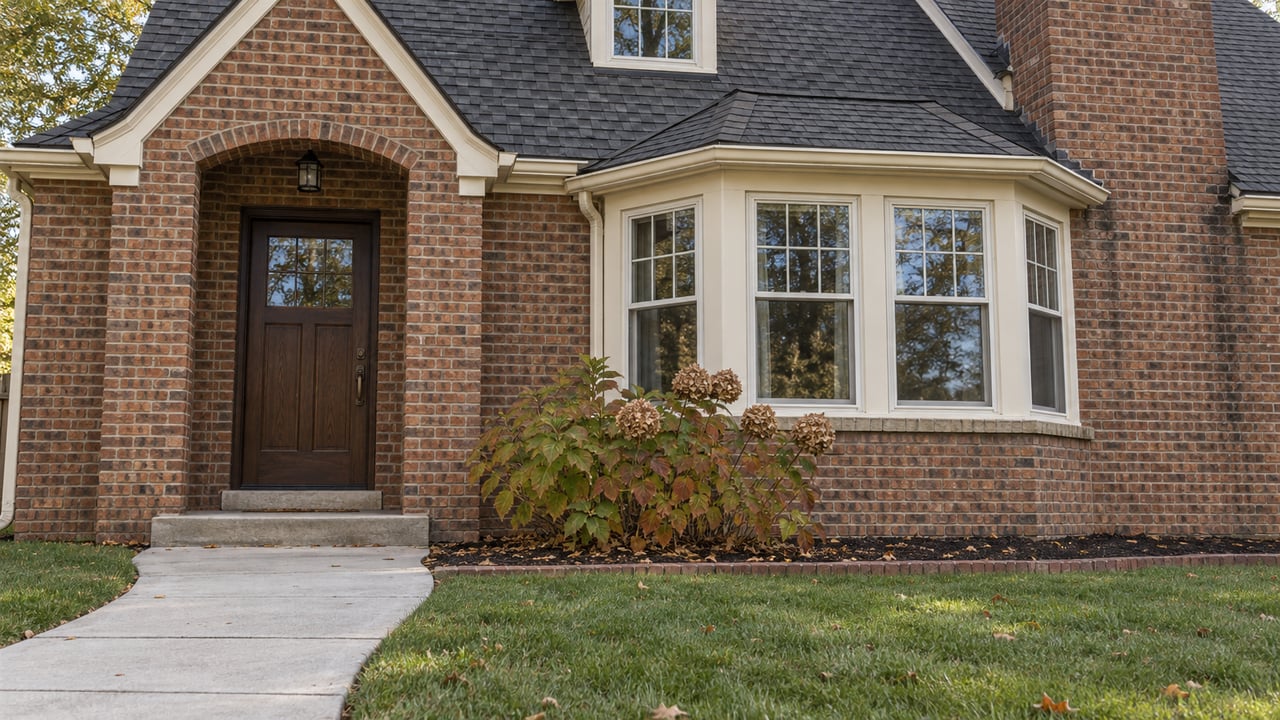
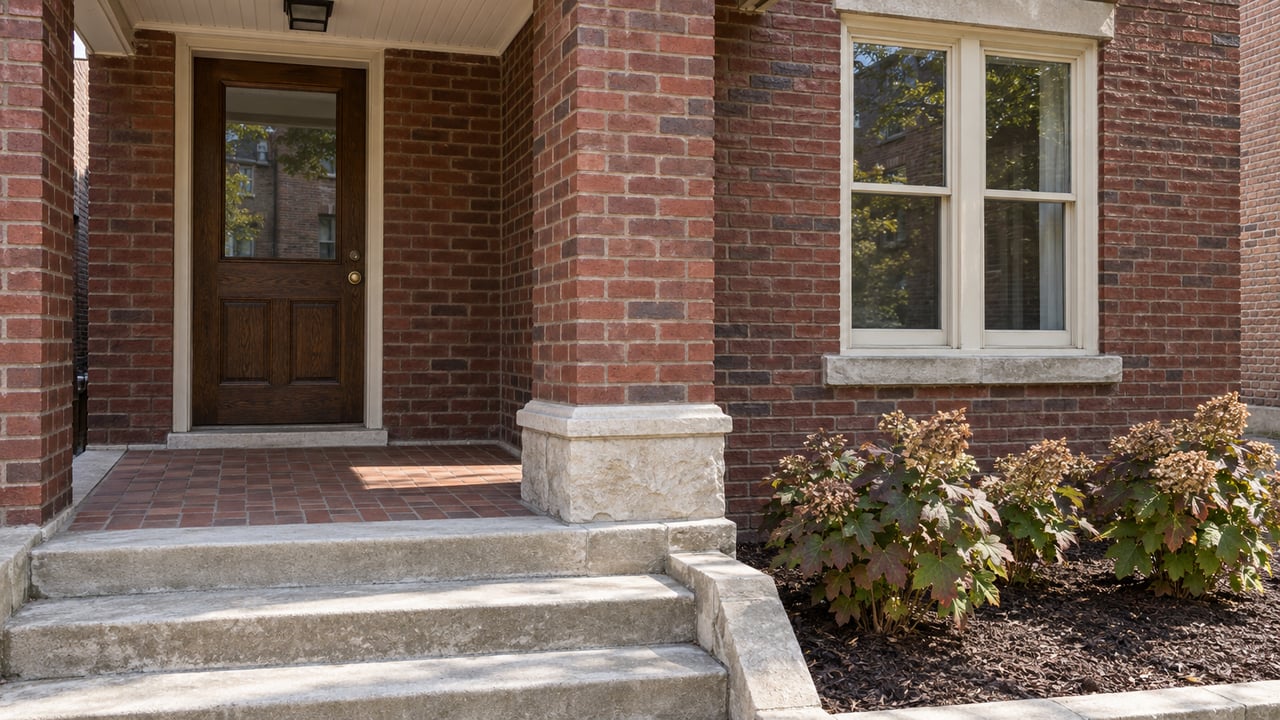
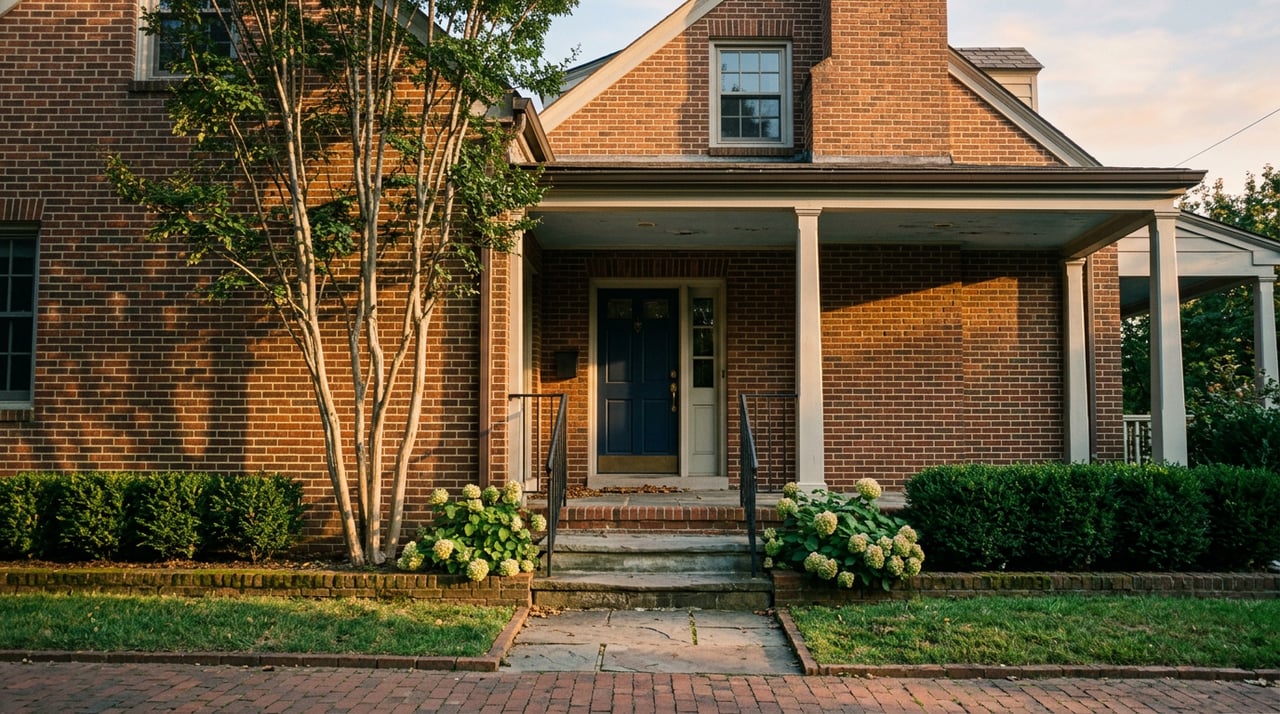
The housing mix spans historic brick single-family homes, two-flats, and small multiunit buildings. If you want a modest yard or a potential income unit while still keeping daily car trips low, this area is a natural fit. When you need to venture farther, frequent bus routes and neighborhood bike lanes fill the gap.
Soulard
Soulard is one of St. Louis’s classic walkable neighborhoods. You get compact streets, historic buildings, and year-round access to the Soulard Farmers Market for fresh food without driving. The neighborhood’s restaurants and entertainment venues are a short stroll from many front doors. Learn more about the area’s history and events from the City’s Soulard overview.
Homes range from brick rowhouses to smaller single-family residences and converted loft spaces. The street life is vibrant, especially during festivals and Mardi Gras. That energy is part of the draw, and it can also mean event traffic at times. If you love a lively neighborhood that still lets you do daily errands on foot, Soulard delivers.
Lafayette Square and Benton Park
Both Lafayette Square and Benton Park offer historic character with short trips to dining and parks. Their compact street grids rate well for walkability, and you can reach Downtown or nearby employment centers with a quick bus or bike ride. Lafayette Park and the surrounding Victorian architecture create a strong neighborhood identity.
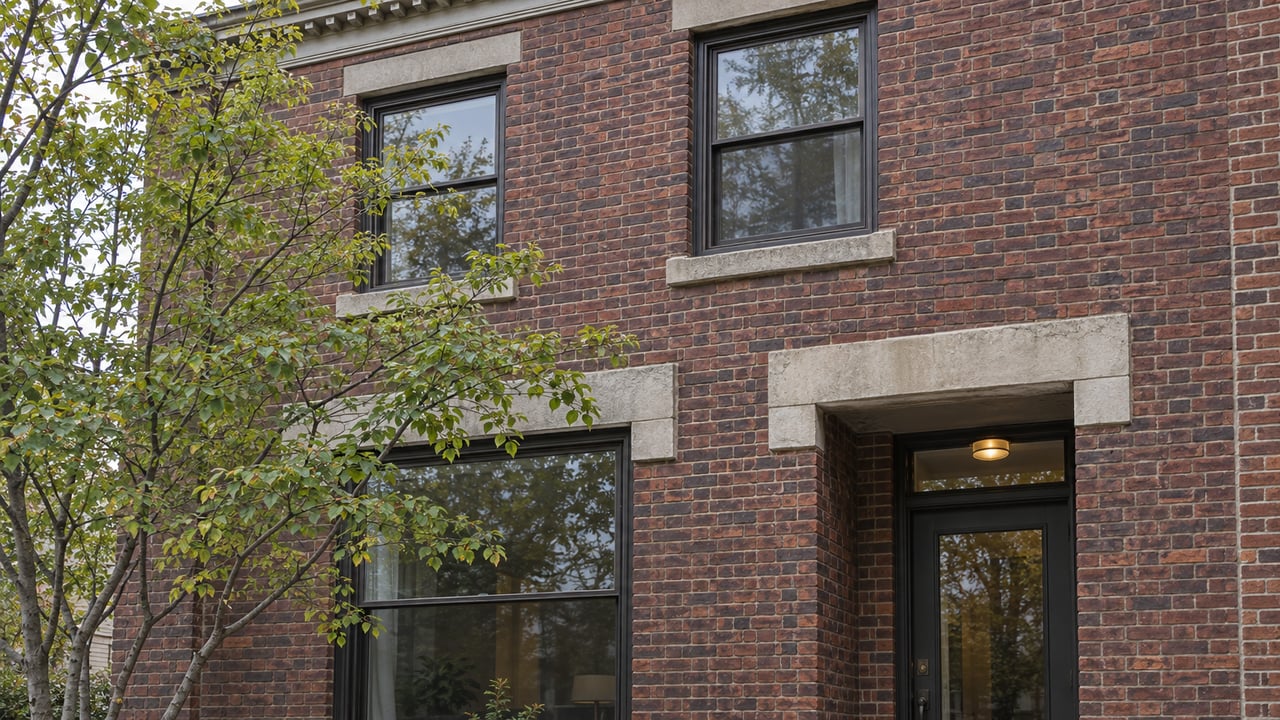
These areas lean toward rowhouses, restored flats, and select condo conversions. Many homes have unique architectural details that appeal to buyers who want character without long commutes. If you value a neighborhood feel, nearby green space, and easy access to city amenities, these blocks align with a car-light routine.
Downtown St. Louis
Downtown concentrates jobs, museums, sports, and the riverfront. If you work nearby or enjoy city amenities at your doorstep, Downtown lets you walk to much of what you need. Great Rivers Greenway and the CityArchRiver project improved pedestrian and bike connections along the riverfront and Arch grounds, which support errands and recreation without a car. Explore riverfront connections through Great Rivers Greenway.
Housing is mostly loft conversions, condos, and urban flats. Many buildings offer on-site amenities, sometimes including paid parking. Even if you keep a car, you are likely to use it far less when your office, gym, and favorite coffee spot sit a few blocks away.
Midtown and Cortex
Midtown’s arts district and the Cortex innovation community have become increasingly mixed-use. The area benefits from MetroLink at Cortex and expanding bike connections, which reduce commute times for tech, research, and arts professionals. New destinations like City Foundry add grocery and dining options that you can reach on foot or by bike.
Expect renovated industrial lofts, infill apartments, and efficient studios or one-bedroom condos. If you want a transit-plus-bike commute and a short hop to Central West End, Downtown, or the university district, this zone is a compelling middle ground.
Homes that fit a low-car life
Certain housing types make car-light living easier:
- Condos and historic flats: Low-maintenance living near retail corridors keeps errands simple and cuts time in traffic.
- Lofts and warehouse conversions: Common in Downtown and Midtown, often close to transit and bike routes.
- Smaller single-family homes and two-flats: Found in park-centric areas like Tower Grove and Lafayette Square, they offer space without demanding daily driving.
Older walkable buildings often predate widespread car ownership. You may see limited or unassigned parking. If you plan to go car-light, focus on features like secure bike storage, a package room, and proximity to transit or a greenway. For the occasional car need, many residents use short-term rentals, car-share on or near campuses, or ride-hail as a supplement.
Some employers and universities help, too. Washington University, for example, offers transit supports that reduce the need for a personal car. See program details on the university’s environmental wellness resources page.
Plan your car-light routine
A little planning makes a big difference. Use this quick checklist:
- Choose a transit anchor: Aim for a home within a 10 to 15 minute walk of a MetroLink station or major bus corridor. The Central West End station is a strong example with both rail lines and bus transfers.
- Live near a retail spine: Prioritize blocks close to Euclid in CWE, South Grand or Morganford near Tower Grove, and other neighborhood main streets for groceries and services.
- Use greenways for short trips: The growing network lets you bike comfortably to errands or to connect with transit. Check current projects through Great Rivers Greenway.
- Compare the numbers: Use AAA’s 2024 cost baseline to weigh car ownership against a mix of transit, bike, and occasional rentals. If you do keep a vehicle, check current garage prices on ParkWhiz’s St. Louis listings to budget realistically.
- Tap employer programs: Ask about transit passes or mobility benefits, which can cut costs and simplify commuting.
- Plan for backups: Winter weather, late nights, or heavy rain call for a flexible Plan B. Keep ride-hail, car-share, or rentals in your toolkit.
Key tradeoffs to weigh
- Older buildings and parking: Many historic properties have limited or paid parking. If you plan to drive occasionally, confirm garage options and bike storage before you buy.
- Event energy: Neighborhoods like Soulard host festivals. The vibrant street life is a perk, and it can bring event traffic on select weekends.
- Seasonality: Cold or wet weather affects walking and biking. Good rain gear and a reliable transit pass help you stay consistent when the forecast is not perfect.
- Comfort and safety: Look for well-lit routes, bus shelters, and frequent service. Metro’s station improvements, like those at Central West End, aim to improve the experience. Local groups such as Trailnet share updates on bike and pedestrian projects that can refine your route choices.
Ready to explore on foot?
Car-free or car-light living in St. Louis City is not just possible, it can be rewarding. If you choose a home near a transit hub or a neighborhood retail spine, you can shrink your trips and expand your daily options. Whether you lean toward a condo in the Central West End, a rowhouse near Lafayette Park, or a loft close to Downtown, the right address can help you do more with less driving.
If you want help matching your lifestyle goals to the right neighborhood and building type, reach out to a local guide who knows the micro-markets. Bethany DeMaggio and DeMaggio Partners advise buyers on walkable city living, from entry-level condos to historic homes and investor-friendly two-flats. Let’s talk about your next move.
FAQs
Which St. Louis areas support car-free living?
- Inner neighborhoods like the Central West End, Tower Grove, Soulard, Lafayette Square, Benton Park, Downtown, and Midtown/Cortex offer strong walkability, park access, and transit; compare blocks on Walk Score’s St. Louis pages.
Is grocery shopping realistic without a car in St. Louis City?
- Yes in the neighborhood cores listed above, where groceries and daily services cluster along main streets; Soulard’s year-round market and Tower Grove Park events add local food options within walking or biking distance.
Can I keep a car part-time in St. Louis City?
- Many residents do, using a mix of paid monthly parking for infrequent driving, plus ride-hail, car-share, or rentals for special trips; check current garage rates on ParkWhiz’s St. Louis listings and compare against AAA’s annual cost baseline.
How does winter affect car-free living in St. Louis?
- Winter can make walking or biking less comfortable, so plan alternate routes, use greenways where possible, and rely on MetroLink or MetroBus in colder spells; Metro’s Central West End station shows recent improvements that enhance the rider experience.
What features should I prioritize in a condo for car-light living?
- Look for secure bike storage, a package room, short walks to a retail corridor, and easy access to a MetroLink station or frequent bus stop; if you anticipate occasional driving, verify available garage options nearby before you buy.